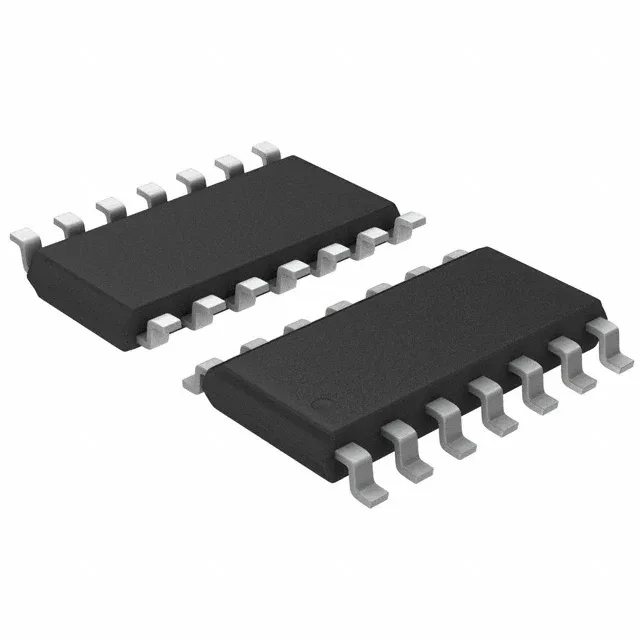
Texas Instruments LM2902KNSE4 — Analog & Data Acquisition

LM2902KNSE4 Quad General-Purpose Op-Amp, 1.2 MHz, Obsolete

MPNLM2902KNSE4
Obsolete

Texas Instruments LM2902KNSE4, quad general-purpose op-amp, 1.2 MHz gain bandwidth, 0.5 V/µs slew rate, 3 V to 26 V supply, -40°C to 125°C, 14-SOIC package.

Independent supplier — new & surplus stockAuthenticity-screened · ESD-safe packingListing updated Jul 2026

Specifications

LM2902KNSE4 specifications
ParameterValue
MountingSurface Mount
Amplifier typeGeneral Purpose
Voltage - input offset3 mV
Voltage - supply span26 V
Current - supply1.4mA (x4 Channels)
Current - input bias20 nA
Current - output (Channel)30 mA
Operating temperature-40°C~125°C(TA)
Gain bandwidth product1.2 MHz
PackageTube
Slew rate0.5V/µs
Case14-SOIC (0.209\", 5.30mm Width)
Number of circuits4

Product details

Quad op-amp for industrial and automotive signal conditioning

Four independent op-amps in one package, each drawing 1.4 mA supply current, with a 3 V to 26 V supply span. That wide range lets it sit on a 5 V logic rail or a 24 V industrial bus without a separate regulator.

Obsolete — plan for a drop-in replacement

The LM2902KNSE4 is listed as Obsolete.

Footprint and reflow fit

14-SOIC package, 0.209-inch body width, 5.30 mm. Standard SOIC-14 land pattern — no tombstoning risk with a typical reflow profile. MSL level is not in the record, so treat it as MSL 1 unless the date code indicates otherwise; a bake at 125°C for 24 hours is cheap insurance if the parts have been on the shelf.

Frequently asked questions

What is the closest pin-compatible alternative to the LM2902KNSE4?

Any active LM2902 variant in the 14-SOIC package — such as the LM2902DR — is pin-compatible and shares the same quad op-amp architecture, supply range, and temperature grade. The slew rate and gain bandwidth are identical across the LM2902 family.

What is the LM2902KNSE4's slew rate?

The slew rate is 0.5 V/µs. That limits the large-signal bandwidth to roughly 40 kHz peak-to-peak at 5 V output swing — fine for 50/60 Hz sensor signals and slow control loops, but not for audio or fast data acquisition.