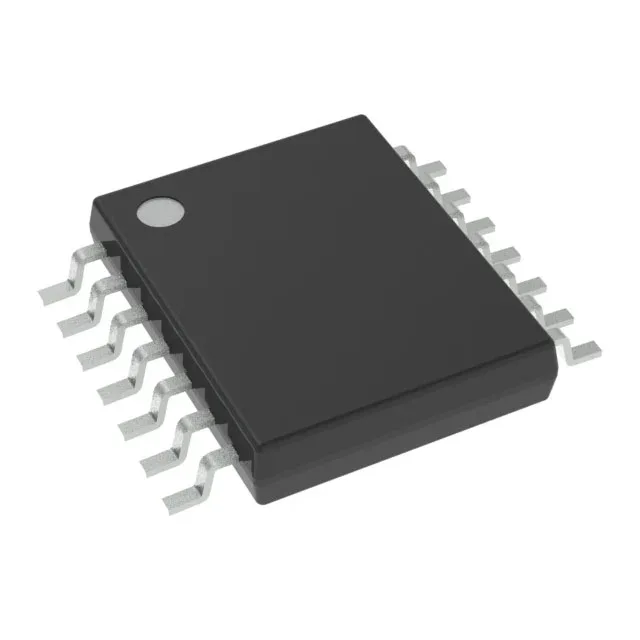
Output sink capability is rated 20 mA typical per channel.
Supply range and temperature — the industrial fit
Single-supply operation from 2 V to 30 V — or split supplies from ±1 V to ±15 V — means this part runs on a 5 V logic rail, a 12 V industrial bus, or a 24 V PLC supply without a secondary regulator. The wide compliance is the main reason it shows up in motor drives and factory automation panels. The 125°C ceiling covers the hot side of a sealed motor controller or a rooftop telecom power supply.
Input offset and bias — what trips up a repair bench
Maximum input offset voltage is 7 mV at 30 V supply. That is loose enough that a worn-out comparator in a threshold circuit drifts the trip point by several millivolts — the kind of failure that looks like a sensor fault until you scope the reference. Maximum input bias current is 0.25 µA at 5 V, which matters when the source impedance is high, like a thermistor divider. Quiescent current max is 2.5 mA for all four comparators combined — about 0.6 mA per channel. That is low enough to leave headroom on a 24 V loop-powered sensor board without burning the budget.