LM2577SX-ADJ/NOPB
Texas Instruments
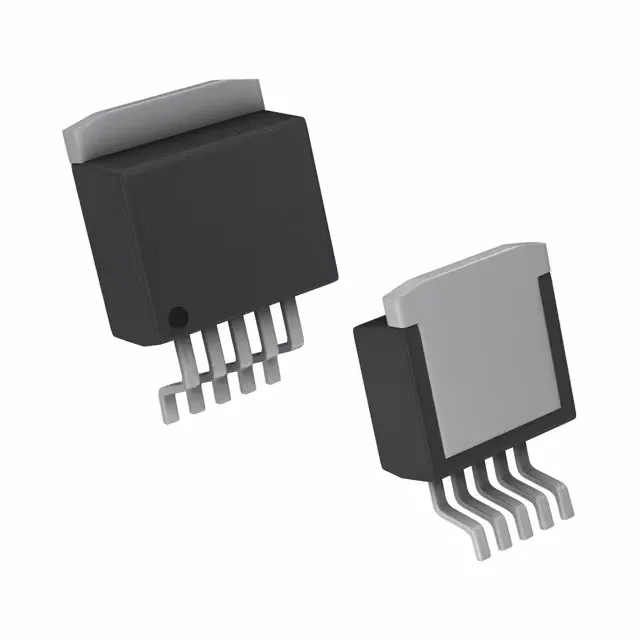
MOQ 1 · Tape & Reel (TR); Cut Tape (CT) · RoHS · EIA-481 · DAP/DDP · T/T
Technical specifications
| Parameter / Attribute | Specification / Value |
|---|---|
| Series | SIMPLE SWITCHER® |
| Output type | Adjustable |
| Mounting | Surface Mount |
| Voltage - input | 3.5V |
| Voltage - output | 60V (Switch) |
| Voltage - output (Min (Fixed)) | 1.23V |
| Output current | 3A (Switch) |
| Frequency - switching | 52kHz |
| I/O channels | 1 |
| Operating temperature | -40°C~125°C(TJ) |
| Package | Tape & Reel (TR); Cut Tape (CT) |
| Function | Step-Up, Step-Up/Step-Down |
| Topology | Boost, Flyback, Forward Converter |
| Case | TO-263-6, D²Pak (5 Leads + Tab), TO-263BA |
| Output configuration | Positive or Negative |
| Synchronous rectifier | No |
Need Stock or a Drop-in Second-Source for LM2577SX-ADJ/NOPB?
Package: TO-263-5 / modules · Pin-compatible replacements with immediate Shenzhen spot stock
The XL6009 is the boost converter of the modern module economy: the adjustable step-up behind the small blue boards that take a 3-32V input and deliver 5-35V, with a 400kHz MOSFET switch that let the modules shrink against everything the 52kHz ancestor, the LM2577, required. The chip-level history is honest about itself - the two generations are not pin-compatible (the XL6009 adds an enable pin, among other arrangement changes) - while at MODULE level the XL6009 simply replaced the LM2577 board everywhere, the same way the buck modules standardized. The label discipline on these boards is the buying content: 4A is the switch current limit, the practical continuous output is roughly half that without added heatsinking, and the potentiometer ships at maximum.
Verified Pin-Compatible Replacements (2 verified alternatives)
The 52kHz Ancestor (Module-for-Module)
Shenzhen Spot Stock (24-48h Dispatch)
The first-generation boost: a 3A-class bipolar switch at about 52kHz, needing the larger inductors and capacitors that frequency demands - the design the module factories upgraded away from.
Same boost culture, same adjustable output from the feedback divider; the difference is switching frequency and switch technology.
The 4A Label Reality
Shenzhen Spot Stock (24-48h Dispatch)
The module as sold: 4A is the peak switch current, and the honest continuous output sits around 1.5-2A without added heatsinking - the number every vendor table buries, and the reason boards "fail at 3A".
Input 3-32V (optimal from about 5V), output adjustable 5-35V; boost efficiency quoted near 94 percent at moderate loads, less when hot.
Buyer & Quality Checklist for Sourcing Alternatives
- The 4A figure is the switch current limit, not the output promise: practical continuous output without added heatsinking is roughly half of it, and the honest way to size a job is by the 1.5-2A class number.
- Chip-level substitution is not pin-level: the XL6009 and the LM2577 differ in pin arrangement and the XL6009 adds an enable pin - modules interchange (the board industry did exactly that), bare chips do not.
- Boost topology input current: for step-up the input pulls MORE current than the output (a 3.7V to 12V at 1A conversion pulls over 3.5A at the input before losses) - sourcing the input from a weak 5V rail is the classic module complaint.
- Magnetics quality is the other half: at 400kHz the inductor and the output capacitor decide ripple, thermal behavior and life - the counterfeit module market (per the LM2596 lesson) mixes passives that only match the label, so verify the parts or buy tested lots.
- The multi-turn potentiometer starts at maximum resistance: count the turns, not the time - a module that "does nothing" is usually just many counterclockwise turns away from its setpoint.
- Enable-pin discipline on the chip: the ancestor has none, the XL6009 does - a board repair that leaves the pin per the wrong generation behaves as permanently off or on depending on the design; wire by the target datasheet.
Frequently Asked Technical Questions
Q: Is the XL6009 pin compatible with the LM2577?
A: Not at chip level: the pin arrangements differ and the XL6009 adds an enable pin. At module level the boards have been interchangeable for years - the industry literally rebuilt the boost module around the newer chip - so know which level the substitution lives on.
Q: Why does my XL6009 module not deliver 4A?
A: Because 4A is the switch current limit, not a continuous output rating: without added heatsinking these boards run about 1.5-2A of honest continuous output, and boost input current is higher than output current. The label and the job need different numbers.
Q: XL6009 or LM2577 for a new build?
A: The XL6009 class: 400kHz against 52kHz means smaller magnetics and lower ripple at the same function. The ancestor stays relevant for repairing its boards - and for the parts drawer of the module trade.