What this -12V fixed regulator does on the board
The Texas Instruments LM120H-12 is a single-output linear regulator that delivers a fixed -12V rail from a negative input up to -32V maximum. It sources up to 200 mA continuous, making it a direct fit for powering analog signal chains, op-amp supplies, or interface circuits that need a clean negative voltage referenced to ground. The output is fixed at -12V with no external resistor divider needed — the internal bandgap reference sets the regulation point. Quiescent current is 1 mA typical, which matters for battery-powered or thermally constrained designs where the regulator's own draw adds to the load.
PSRR and noise rejection at line frequency
Power-supply rejection ratio is 64 dB at 120 Hz — this is the ripple-rejection figure that matters when the regulator follows a full-wave rectifier. At 64 dB, a 1 Vpp ripple on the input is attenuated to roughly 0.6 mVpp at the output, keeping the -12V rail clean for sensitive analog loads like preamplifiers or ADC reference buffers. The 120 Hz test frequency is standard for line-frequency applications (60 Hz full-wave ripple). The PSRR rolls off above this frequency, so for switching preregulators a post-filter or additional decoupling is needed to maintain rejection at higher harmonics.
Temperature range and package — where this regulator survives
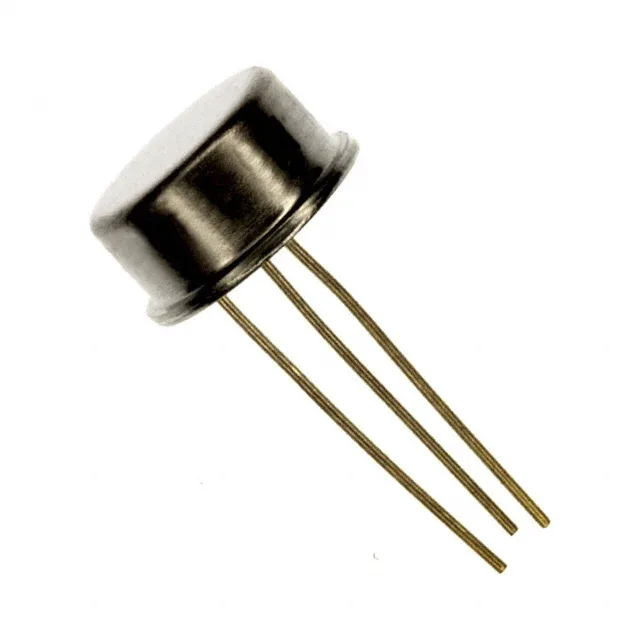
This qualifies the LM120H-12 for avionics, satellite power distribution, downhole instrumentation, and engine-bay electronics where the ambient temperature exceeds commercial or industrial limits. The TO-205AD / TO-39-3 metal can (supplier device package TO-3) is a hermetic package — the metal lid and glass-to-metal seals keep moisture and contaminants out. Through-hole mounting with the metal tab provides a low thermal resistance path to the board or heatsink, which is essential for dissipating the dropout power at high input-output differentials.
Protection and compliance details
Built-in over-temperature protection shuts down the regulator if the die temperature exceeds the safe operating limit — this prevents thermal runaway under sustained overload or high ambient conditions.