Texas Instruments INA281A3QDBVRQ1 — Analog & Data Acquisition

TI INA281A3QDBVRQ1 Current Sense Amplifier, AEC-Q100

MPNINA281A3QDBVRQ1
End of Life

Texas Instruments INA281A3QDBVRQ1, Automotive AEC-Q100 Current Sense Amplifier, 1 Circuit, 2.5V/µs Slew Rate, 1.3 MHz Gain Bandwidth, 2.7 V to 20 V Supply, SOT-23-5, -40°C to 125°C.

$3.1Ref. price · indicative, final on quote
PackagingSC-74A, SOT-753
RoHSROHS3 Compliant
SeriesAutomotive, AEC-Q100
Independent supplier — new & surplus stockAuthenticity-screened · ESD-safe packingListing updated Aug 2026

Specifications

INA281A3QDBVRQ1 specifications
ParameterValue
SeriesAutomotive, AEC-Q100
MountingSurface Mount
Amplifier typeCurrent Sense
Voltage - input offset100 µV
Voltage - supply span2.7 V
Current - supply1.5mA
Current - input bias20 µA
Operating temperature-40°C ~ 125°C (TA)
Gain bandwidth product1.3 MHz
PackageTape & Reel (TR); Cut Tape (CT)
Slew rate2.5V/µs
CaseSC-74A, SOT-753
Number of circuits1

Product details

Automotive current sense — AEC-Q100 qualified, SOT-23-5

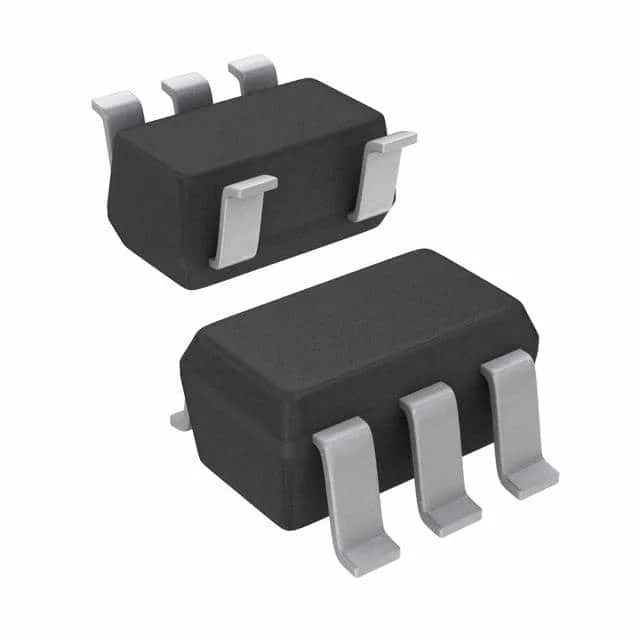
The INA281A3QDBVRQ1: The SOT-23-5 package (SOT-753) keeps the footprint compact for space-constrained modules like battery-monitoring or motor-drive boards.

The 100 µV input offset voltage sets the floor for measurement accuracy. The 20 µA input bias current is typical for a bipolar-input current-sense amp.

Supply current and thermal range

The 1.5 mA supply current is moderate — not a micropower part, but low enough for always-on monitoring in systems with a 100 mA-hour battery budget.

For production programs that require a second source, the INA4290A2IRGVR is a four-channel current-sense amplifier in a similar voltage range, but with a 1.1 MHz GBW and 2 V/µs slew rate — not a pin-for-pin replacement, but a functional alternative if the design can accommodate a different package and channel count.

Frequently asked questions

Is INA281A3QDBVRQ1 automotive qualified?

Yes, the INA281A3QDBVRQ1 is part of the Automotive, AEC-Q100 series, meaning it is qualified to AEC-Q100 stress tests for automotive applications.