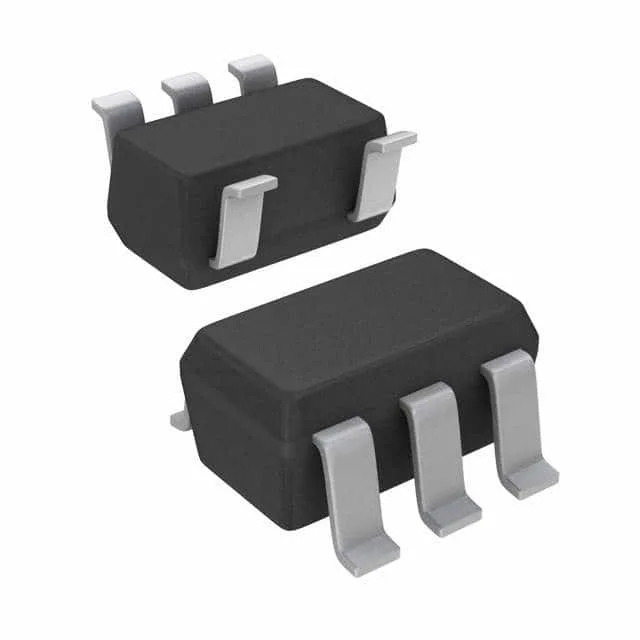
INA180B2QDBVRQ1

Texas Instruments · Automotive, AEC-Q100 Series

Texas Instruments INA180B2QDBVRQ1, Automotive AEC-Q100 Current Sense Amplifier, 1 Circuit, 2V/µs Slew Rate, 210 kHz Bandwidth, Rail-to-Rail Output, SOT-23-5, -40°C to 125°C, 2.7 V to 5.5 V Supply.

Texas Instruments INA180B2QDBVRQ1
Download datasheet (PDF)
[IN STOCK] In Stock: 13 pcs
$0.34/ pc

Volume pricing

Buy Now

MOQ 1 · Tape & Reel (TR); Cut Tape (CT) · RoHS · EIA-481 · DAP/DDP · T/T

Technical specifications

INA180B2QDBVRQ1 specifications
Parameter / AttributeSpecification / Value
SeriesAutomotive, AEC-Q100
Output typeRail-to-Rail
MountingSurface Mount
Amplifier typeCurrent Sense
Voltage - input offset100 µV
Voltage - supply span5.5 V
Current - supply197µA
Current - input bias80 µA
Operating temperature-40°C~125°C(TA)
-3db bandwidth210 kHz
PackageTape & Reel (TR); Cut Tape (CT)
Slew rate2V/µs
CaseSC-74A, SOT-753
Number of circuits1

Technical details

210 kHz bandwidth — what it buys the current-sense path

That covers under-hood and engine-bay environments where ambient temperatures can exceed 105°C. The SOT-23-5 package (SC-74A, SOT-753) is a standard footprint that fits into compact automotive modules like battery-monitoring boards, solenoid drivers, and DC-DC converter feedback loops. The supply current is 197 µA typical, which keeps the thermal contribution negligible in a sealed enclosure.

Input offset and bias current — what they mean for shunt selection

For a 10 mΩ shunt, 100 µV of offset translates to a 10 mA zero-current error — acceptable for a 10 A to 50 A load range but worth accounting for in a low-current measurement. The 80 µA bias current flows into the shunt, so the voltage drop it creates adds a small systematic error that can be calibrated out in firmware. These numbers are typical; the datasheet min/max columns should be checked against the application's accuracy budget.

INA180B2QDBVRQ1
[ALLOC] verified
Quote