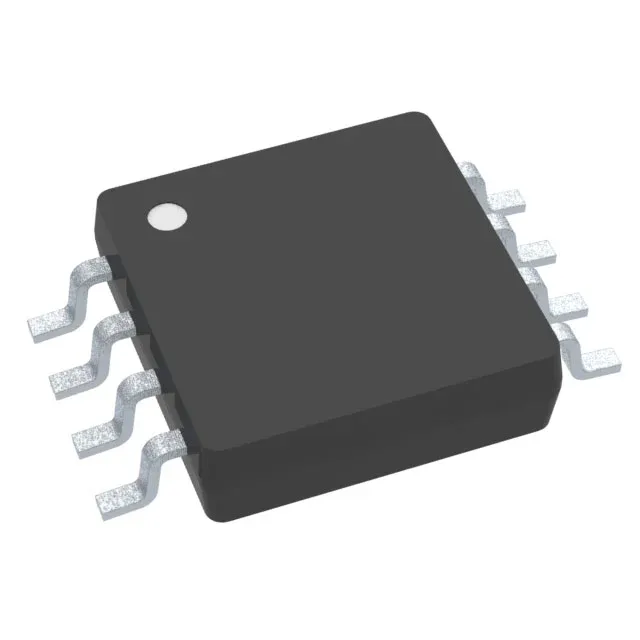
Texas Instruments INA126E/250G4 — Analog & Data Acquisition

INA126E/250G4 Instrumentation Amplifier, 200 kHz, 0.4 V/µs

MPNINA126E/250G4
End of Life

Texas Instruments INA126E/250G4, single-channel instrumentation amplifier, 200 kHz -3 dB bandwidth, 0.4 V/µs slew rate, 175 µA supply current, 100 µV input offset, 2.7 V to 36 V supply span, -40°C to 85°C, 8-VSSOP package, Tape & Reel.

Independent supplier — new & surplus stockAuthenticity-screened · ESD-safe packingListing updated Jul 2026

Specifications

INA126E/250G4 specifications
ParameterValue
MountingSurface Mount
Amplifier typeInstrumentation
Voltage - input offset100 µV
Voltage - supply span2.7 V
Current - supply175µA
Current - input bias10 nA
Current - output (Channel)10 mA
Operating temperature-40°C~85°C
-3db bandwidth200 kHz
PackageTape & Reel (TR)
Slew rate0.4V/µs
Case8-TSSOP, 8-MSOP (0.118\", 3.00mm Width)
Number of circuits1

Product details

Single-channel instrumentation amp for precision sensor conditioning

The INA126E/250G4: Its 100 µV input offset and 10 nA input bias current suit bridge-type sensors, thermocouples, and load-cell front ends where the common-mode rejection matters more than raw bandwidth.

Speed-vs-power trade-off: 200 kHz bandwidth at 175 µA

The 200 kHz -3 dB bandwidth and 0.4 V/µs slew rate define the signal frequency the amplifier can faithfully reproduce. For a 10 Hz strain-gauge bridge or a 1 kHz thermocouple channel, this is ample headroom; for a 50 kHz ultrasound pulse, the slew rate will limit the output swing at higher gains. The 10 mA output drive per channel is sized for driving an ADC input or a twisted-pair cable run up to a few metres.

Frequently asked questions

Can the INA126E/250G4 be used in precision instrumentation?

Yes. The 100 µV input offset voltage and 10 nA input bias current make it suitable for precision sensor conditioning — bridge circuits, thermocouples, and load-cell amplifiers where the signal is a few millivolts and common-mode rejection is critical.