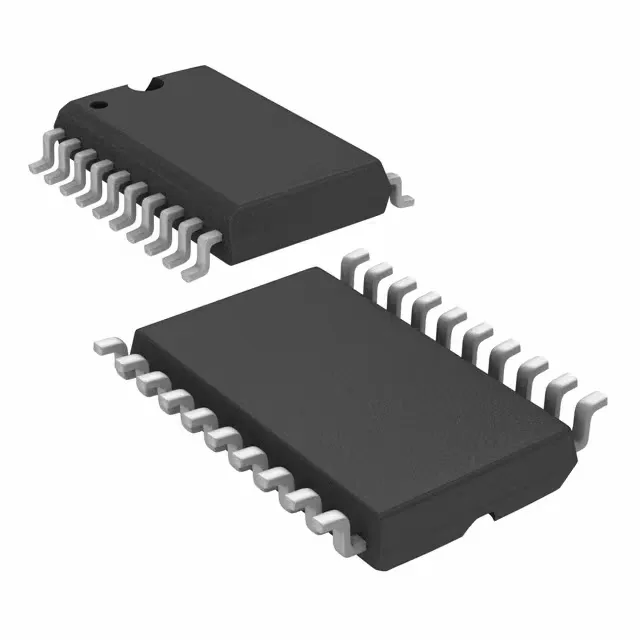
Texas Instruments CLVC573AQDWRG4Q1 — Logic ICs

CLVC573AQDWRG4Q1 Octal D Latch, 1ns, -40 to 125°C, AEC-Q100

MPNCLVC573AQDWRG4Q1
End of Life

Texas Instruments CLVC573AQDWRG4Q1, Automotive AEC-Q100 74LVC series, D-Type Transparent Latch, 8:8 circuit, Tri-State outputs, 2V-3.6V supply, 1ns propagation delay, 24mA output drive, -40°C to 125°C, 20-SOIC package.

$1.07Ref. price · indicative, final on quote
Packaging20-SOIC (0.295", 7.50mm Width)
RoHSROHS3 Compliant
SeriesAutomotive, AEC-Q100, 74LVC
Independent supplier — new & surplus stockAuthenticity-screened · ESD-safe packingListing updated Aug 2026

Specifications

CLVC573AQDWRG4Q1 specifications
ParameterValue
SeriesAutomotive, AEC-Q100, 74LVC
Logic typeD-Type Transparent Latch
Output typeTri-State
MountingSurface Mount
Supply voltage2V ~ 3.6V
Current - output high, low24mA, 24mA
Operating temperature-40°C ~ 125°C
Circuit8:8
PackageTape & Reel (TR); Cut Tape (CT)
Case20-SOIC (0.295\", 7.50mm Width)
Independent circuits1
Delay time - propagation1ns

Product details

1 ns propagation delay — bus timing margin

The 1 ns propagation delay from LE to Q (or D to Q when transparent) is specified. For typical automotive CAN or LIN interfaces, or industrial backplanes, this delay is within margin.

24 mA output drive and fan-out

Each output can sink or source 24 mA. When driving long backplane lines or high-capacitance loads, derate the number of parallel loads to stay within the package's total current limit.

Frequently asked questions

Will CLVC573AQDWRG4Q1 drop into a board designed for 74FCT573APC?

No — the 74FCT573APC is a through-hole part in a DIP package, while the CLVC573AQDWRG4Q1 is surface-mount in a 20-SOIC. The pin functions are similar (both are octal transparent latches with tri-state outputs), but the footprint and mounting are incompatible. A board redesign or adapter is required.

What compliance documentation is available for CLVC573AQDWRG4Q1?

The part is ROHS3 Compliant. For detailed compliance documentation (REACH, UL, IEC), refer to the manufacturer's certification page or request a certificate of compliance with your RFQ.