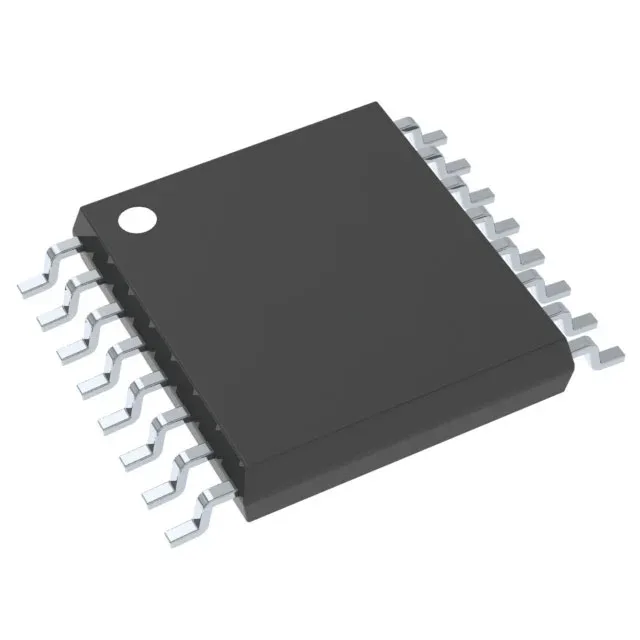
Texas Instruments CD74HC4049PW — Logic ICs

CD74HC4049PW 74HC Hex Inverting Buffer, 2V–6V, 16-TSSOP

MPNCD74HC4049PW
End of Life

Texas Instruments 74HC series CD74HC4049PW, hex inverting buffer, 2V to 6V supply, push-pull outputs, 16-TSSOP package, -55°C to 125°C operating temperature.

$1.13Ref. price · indicative, final on quote
Packaging16-TSSOP (0.173", 4.40mm Width)
StockContact for availability
MOQ1 pcs
  • 100% new & originalTraceable channels only — no refurbs, no pulls, no remarked parts.
  • Date & lot codes on quoteStated per line before you commit; label photos on request.
  • MSL-compliant ESD packingMoisture-sealed bags with indicator cards; reels photo-verified.
  • PayPal buyer protectionPay by T/T, PayPal or Payoneer — card payments covered end to end.

Specifications

CD74HC4049PW Technical Specifications
ParameterValue
Series74HC
Logic typeBuffer, Inverting
Output typePush-Pull
Mounting typeSurface Mount
Voltage2V ~ 6V
Current - output high, low5.2mA, 5.2mA
Operating temperature-55°C ~ 125°C
PackageTube
Case16-TSSOP (0.173\", 4.40mm Width)
Number of elements6
Number of bits per element1

Product details

The Texas Instruments CD74HC4049PW is a hex inverting buffer from the 74HC family, packing six independent buffer elements with push-pull outputs into a 16-TSSOP package.

5.2 mA output drive — enough for logic-level fan-out

Both the high and low output current are rated at 5.2 mA. That is typical for the HC family and sufficient to drive a few CMOS gate inputs or a low-power LED indicator. If you are expecting to sink or source tens of milliamps into a relay coil or a bus transceiver, this part will run out of headroom — plan a buffer stage or pick a higher-drive logic family.

Frequently asked questions

Can CD74HC4049PW be used as a level shifter?

Yes, because the 2V to 6V supply range allows the part to translate between different logic voltage domains — for example, a 3.3V input can produce a 5V output when the supply is 5V, as long as the input high threshold is met. The inverting output is the trade-off: you get the level shift but with a polarity flip, so plan accordingly in the downstream logic.