Texas Instruments CD4572UBM — Microcontrollers & Processors (MCU / MPU / DSP)

CD4572UBM Texas Instruments CMOS Hex Gate, 3V-18V

MPNCD4572UBM
End of Life

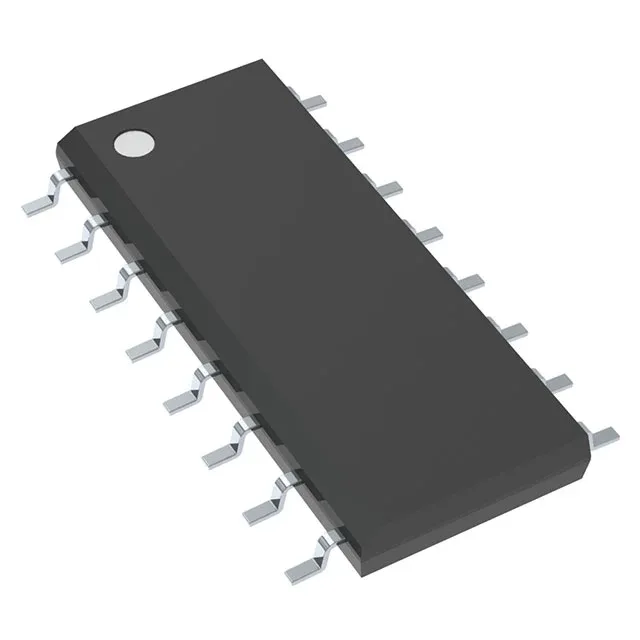
Texas Instruments 4000B series CMOS hex gate, CD4572UBM, NOR/NAND/INVERT logic, 6 circuits, 8 inputs, 3V-18V supply, 6.8mA output, -55°C to 125°C, 16-SOIC, tube.

$1.7Ref. price · indicative, final on quote
Packaging16-SOIC (0.154", 3.90mm Width)
RoHSROHS3 Compliant
Series4000B
Independent supplier — new & surplus stockAuthenticity-screened · ESD-safe packingListing updated Aug 2026

Specifications

CD4572UBM specifications
ParameterValue
Series4000B
Logic typeNOR/NAND/INVERT Gate
Output typeDifferential
MountingSurface Mount
Voltage3V ~ 18V
Current - output high, low6.8mA, 6.8mA
I/O channels8 Input (1, 1, 2, 2, 1, 1)
Operating temperature-55°C ~ 125°C
PackageTube
Case16-SOIC (0.154\", 3.90mm Width)
Number of circuits6
Schmitt trigger inputNo

Product details

CMOS hex gate with mixed logic functions

The CD4572UBM is a Texas Instruments 4000B-series CMOS hex gate that integrates NOR, NAND, and inverter functions on a single die — six circuits with eight inputs total (1, 1, 2, 2, 1, 1). It operates across a 3V to 18V supply range, making it usable in battery-backed or unregulated rail designs where a 5V or 12V bus is the only available supply.

Output drive and package fit

Each output sinks or sources 6.8mA typical — enough to drive a standard TTL load or a low-power LED indicator, but not a relay coil directly. Housed in a 16-SOIC (0.154", 3.90mm width) surface-mount package, the CD4572UBM shares the same footprint as other 4000B-series SOIC-16 parts, so a single PCB layout serves multiple logic functions. No Schmitt-trigger input on any gate — the switching threshold follows the standard CMOS VDD/2 ratio. If the input signal is noisy or slow-rising, a separate Schmitt buffer is needed ahead of this gate.

Frequently asked questions

Does CD4572UBM have a Schmitt-trigger input?

No, the CD4572UBM does not include Schmitt-trigger inputs. Use a separate Schmitt buffer if the input signal is slow-rising or noisy.