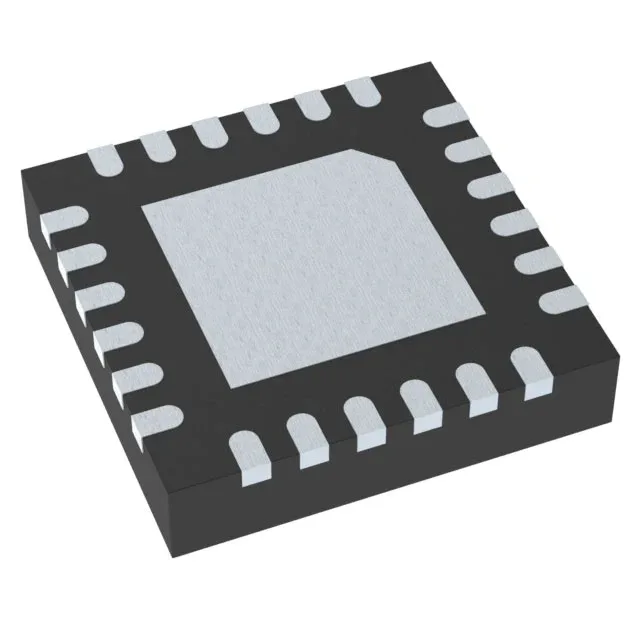
Texas Instruments BUF12840AIRGET — Logic ICs

BUF12840AIRGET TFT-LCD VCOM Driver, 12-Ch Rail-to-Rail

MPNBUF12840AIRGET
End of Life

Texas Instruments BUF12840AIRGET, 12-channel rail-to-rail VCOM driver for TFT-LCD panels, 9V~20V single supply, 24-VQFN (4x4) exposed pad package, surface mount.

$6.23Ref. price · indicative, final on quote
Packaging24-VFQFN Exposed Pad
RoHSROHS3 Compliant
Independent supplier — new & surplus stockAuthenticity-screened · ESD-safe packingListing updated Aug 2026

Specifications

BUF12840AIRGET specifications
ParameterValue
Output typeRail-to-Rail
MountingSurface Mount
Voltage - supply, single (Dual (±))9V ~ 20V
PackageTape & Reel (TR); Cut Tape (CT)
ApplicationsTFT-LCD Panels: VCOM Driver
Case24-VFQFN Exposed Pad
Number of circuits12

Product details

VCOM driver for TFT-LCD panels

The Texas Instruments BUF12840AIRGET is a 12-channel rail-to-rail output buffer IC designed specifically as a VCOM driver for TFT-LCD panels. It operates from a single 9V to 20V supply and is housed in a 24-VFQFN exposed pad package (24-VQFN, 4x4 mm). The rail-to-rail output capability lets it swing close to the supply rails, which is necessary to set the VCOM voltage precisely across the panel's common electrode.

With 12 independent buffer circuits, this IC can drive multiple VCOM lines in a large-format TFT-LCD, or it can be used to distribute the VCOM reference to several sections of the panel. Each channel's rail-to-rail output ensures the VCOM voltage stays within the desired range even as the load varies with the display content. The 9V to 20V supply range covers the typical VCOM bias voltages used in LCD panels, from small portable displays up to larger desktop or industrial monitors.

The part is available on Tape & Reel or Cut Tape, which suits both prototyping and production reflow.

Frequently asked questions

What is the BUF12840AIRGET used for?

It is a 12-channel rail-to-rail VCOM driver for TFT-LCD panels. It buffers and drives the VCOM voltage to the common electrode of the LCD, ensuring consistent bias across the display.