Fault protection — what the three triggers mean for the BOM
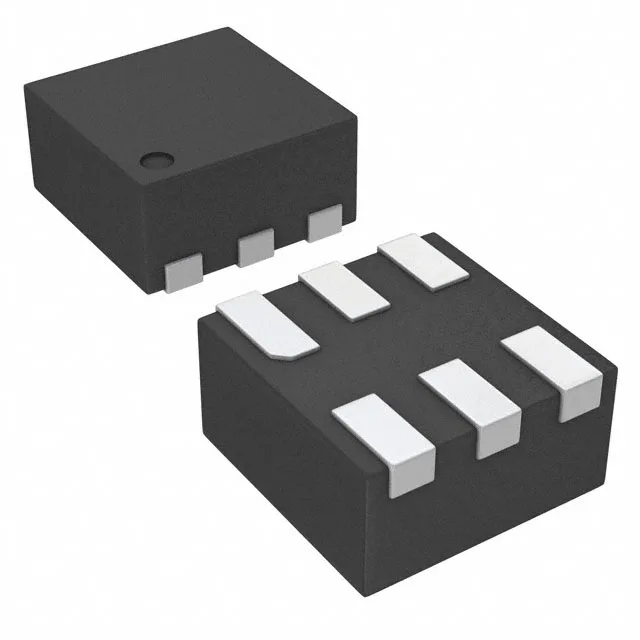
The BQ29737DSER monitors three fault types: overcurrent, over/under voltage, and short circuit. Overcurrent protection trips when the discharge current exceeds a threshold — the exact threshold and response time are set internally, so the designer does not need external sense resistors or programming resistors. Over-voltage protection prevents the cell from charging above its safe ceiling; under-voltage protection disconnects the load when the cell voltage drops too low, preventing deep discharge damage. Short-circuit detection is a fast-acting separate comparator that triggers a hard disconnect. Because these thresholds are factory-trimmed, the part is a drop-in fit for a standard Li-ion cell — no calibration step in production.