Texas Instruments BQ29732DSET — Analog & Data Acquisition

BQ29732DSET Battery Protection IC, 1-Cell Li-Ion, 6-WSON

MPNBQ29732DSET
End of Life

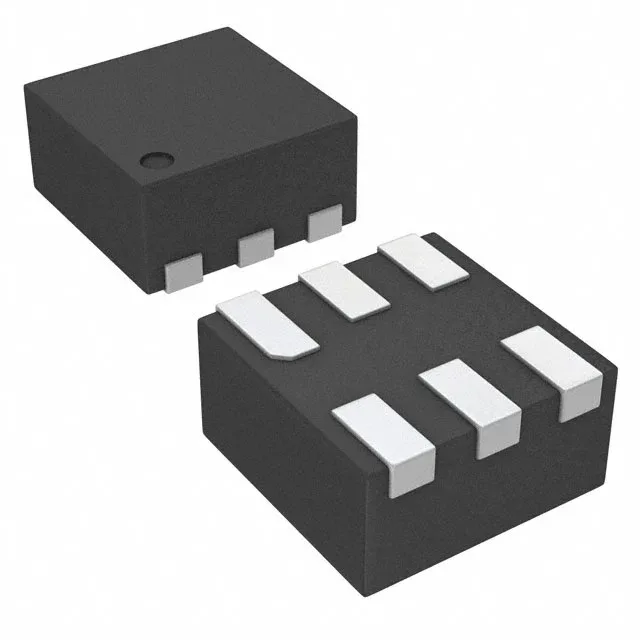
Texas Instruments BQ29732DSET, Battery Protection IC, 1-Cell Lithium Ion/Polymer, Fault Protection: Over Current, Over/Under Voltage, Short Circuit, -40°C to 85°C, 6-WFDFN / 6-WSON (1.5x1.5), Surface Mount, Active.

$1.25Ref. price · indicative, final on quote
Packaging6-WFDFN
RoHSROHS3 Compliant
Independent supplier — new & surplus stockAuthenticity-screened · ESD-safe packingListing updated Aug 2026

Specifications

BQ29732DSET specifications
ParameterValue
MountingSurface Mount
Operating temperature-40°C ~ 85°C (TA)
PackageTape & Reel (TR); Cut Tape (CT)
FunctionBattery Protection
Case6-WFDFN
Number of cells1
Fault protectionOver Current, Over/Under Voltage, Short Circuit
Battery chemistryLithium Ion/Polymer

Product details

Single-cell Li-ion protector with integrated fault detection

Protection feature set — what each guard does

Overcurrent protection trips when the discharge current exceeds the internal threshold, preventing the FETs from exceeding their safe operating area during a hard load or output short. The undervoltage lockout disconnects the cell when its voltage drops below the safe cutoff, protecting against deep discharge that can permanently damage a Li-ion cell. Overvoltage protection disconnects charging when the cell voltage rises above the regulation limit, a safeguard against charger runaway. Short-circuit detection is a faster, higher-threshold trip that responds to a dead-short on the pack terminals.

It is RoHS3 compliant.

Frequently asked questions

What are the protection features of BQ29732DSET?

The BQ29732DSET integrates overcurrent, overvoltage, undervoltage, and short-circuit protection for a single Li-ion or Li-polymer cell.

Is BQ29732DSET suitable for 3.7V Li-ion cells?

Yes, the BQ29732DSET is designed for single-cell lithium-ion and lithium-polymer batteries, which have a nominal voltage of 3.6 V to 3.7 V and a full-charge voltage of 4.2 V. The overvoltage and undervoltage thresholds are set internally for this chemistry.