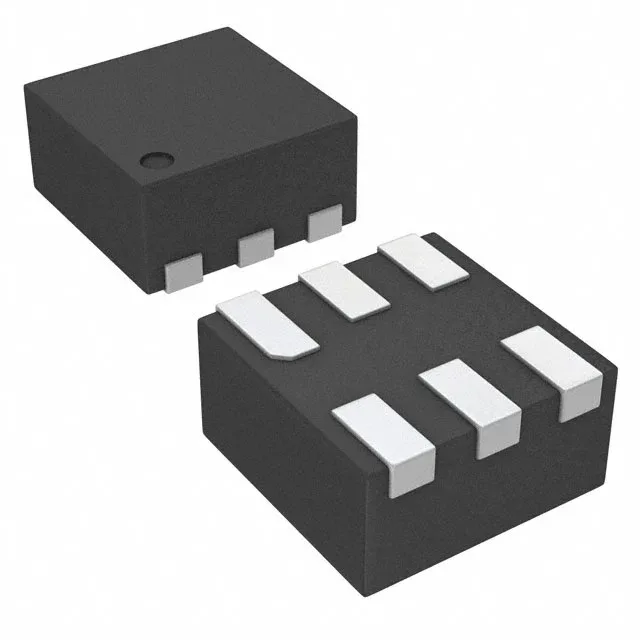
Texas Instruments BQ29703DSER — Discrete Semiconductors

BQ29703DSER Battery Protection IC, 1-Cell Li-Ion, 6-WSON

MPNBQ29703DSER
End of Life

Texas Instruments BQ29703DSER battery protection IC, single-cell Li-Ion/Polymer, 6-WFDFN / 6-WSON (1.5x1.5), over-current, over/under-voltage, short-circuit protection, -40°C to 85°C, Tape & Reel or Cut Tape.

$0.63Ref. price · indicative, final on quote
Packaging6-WFDFN
RoHSROHS3 Compliant
Independent supplier — new & surplus stockAuthenticity-screened · ESD-safe packingListing updated Aug 2026

Specifications

BQ29703DSER specifications
ParameterValue
MountingSurface Mount
Operating temperature-40°C ~ 85°C (TA)
PackageTape & Reel (TR); Cut Tape (CT)
FunctionBattery Protection
Case6-WFDFN
Number of cells1
Fault protectionOver Current, Over/Under Voltage, Short Circuit
Battery chemistryLithium Ion/Polymer

Product details

Single-cell Li-Ion watchdog in a hand-solderable package

The BQ29703DSER is a single-cell lithium-ion/polymer battery protection IC that monitors over-current, over-voltage, under-voltage, and short-circuit conditions. It sits between the battery cell and the load or charger, disconnecting the cell when any fault threshold is exceeded.

Protection scope and temperature range

The IC covers the three fault modes that most commonly damage a single Li-Ion cell: over-current (excessive discharge or charge current), over/under-voltage (cell voltage outside the safe window), and short-circuit (hard fault on the output). It's a dedicated protector, not a fuel gauge or charger controller — it sits in the discharge path and opens the FET when the cell is at risk. The 1-cell chemistry support is specific to Li-Ion and Li-Polymer — not NiMH or lead-acid.

Available in Tape & Reel for automated assembly or Cut Tape for prototyping.

Frequently asked questions

What is the closest functional second-source — BQ296217DSGT?

The BQ296217DSGT is a different part: it protects 2 to 4 cells and only monitors over-voltage faults, whereas the BQ29703DSER protects a single cell against over-current, over/under-voltage, and short-circuit. They are not drop-in replacements — the cell count and fault coverage differ.