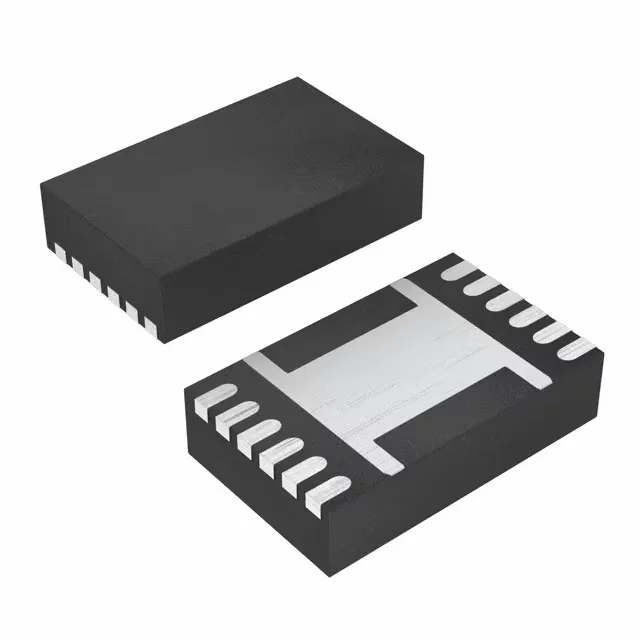
It reports state-of-charge, voltage, current, and temperature over an I²C interface to a host controller. The 12-VFDFN exposed-pad package (2.5x4 mm) keeps the footprint small for portable designs — think power tools, handheld medical devices, or IoT endpoints where one series cell is the energy source.
The ROHS3 compliance is current, so no exemption sunset to track either. If you are stocking a repair bench, this is still the production part, not a discontinued orphan.
I²C interface — what it means for firmware integration
The I²C bus is how the host reads the fuel gauge data. There is no SPI or SMBus option on this variant, so the firmware team needs an I²C peripheral available. The Impedance Track algorithm runs on-chip; the host just polls the result registers. No need to offload coulomb counting to the main MCU. The single-cell support is hard-wired — this part does not stack for multi-cell packs, so if the BOM calls for two or four series cells, look at the BQ2084 family instead.
Package and thermal — the exposed pad matters
The 12-VFDFN with exposed pad (12-SON, 2.5x4 mm) needs a thermal via stitch under the pad if the gauge runs continuous high discharge current. The datasheet's recommended land pattern calls for a solder paste coverage of 50–70% on the pad. Surface-mount reflow only — no hand-soldering this one without a hot-air station and a stencil. The cut-tape option is fine for prototype quantities; production orders will land in tape-and-reel.