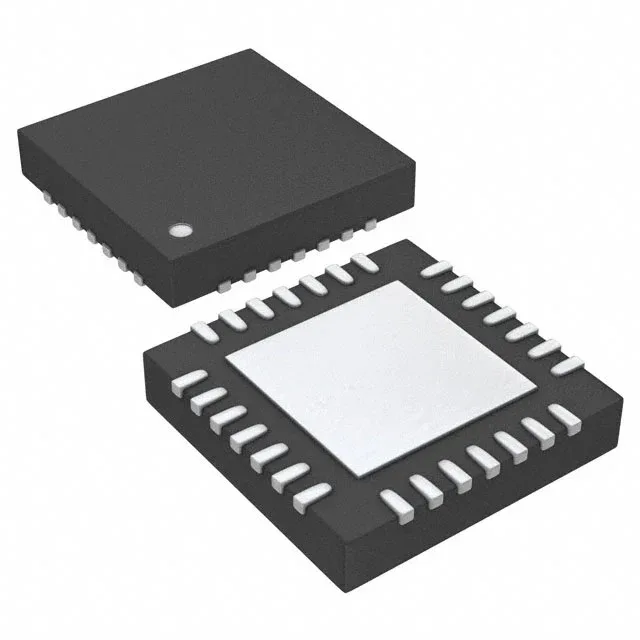
Texas Instruments BQ24753ARHDT — Power Management (PMIC / Gate Driver)

BQ24753ARHDT Texas Instruments Battery Charger IC, 10A

MPNBQ24753ARHDT
Active

Texas Instruments BQ24753ARHDT Li-Ion/Polymer battery charger IC, 2-4 cells, 10A max charge current, 18.048V max pack voltage, 28-VFQFN Exposed Pad, Surface Mount.

$13.8800Ref. price · indicative, final on quote
Packaging28-VFQFN Exposed Pad
RoHSROHS3 Compliant
Independent supplier — new & surplus stockAuthenticity-screened · ESD-safe packingListing updated Aug 2026

Specifications

BQ24753ARHDT specifications
ParameterValue
MountingSurface Mount
Battery pack voltage18.048V (Max)
Supply voltage24V
Current - chargingConstant - Programmable
Charge current - max10A
Operating temperature-40°C~125°C(TJ)
PackageTape & Reel (TR); Cut Tape (CT)
Case28-VFQFN Exposed Pad
Number of cells2 ~ 4
Fault protectionOver Current, Over Voltage
Battery chemistryLithium Ion/Polymer

Product details

Battery charger IC for multi-cell Li-Ion packs

The BQ24753ARHDT is a Texas Instruments battery charger IC designed for 2 to 4 series Li-Ion or Li-Polymer cells. It delivers programmable constant-current charging up to 10 A and supports a maximum battery pack voltage of 18.048 V. With a supply voltage maximum of 24 V and integrated fault protection for over-current and over-voltage conditions, this part handles the thermal and electrical stress of multi-cell charging in portable equipment, power tools, and backup systems.

The 10 A maximum charge current sets the ceiling for fast charging — the actual current is programmed via an external resistor, so the designer chooses the rate that fits the cell capacity and thermal budget. The 18.048 V maximum pack voltage matches 4-series Li-Ion packs at 4.512 V per cell, which is the typical full-charge voltage for LiCoO2 chemistries.

It is RoHS3 compliant.

Frequently asked questions

What is the maximum charge current for the BQ24753ARHDT?

The BQ24753ARHDT supports a maximum charge current of 10 A, programmable via an external resistor. This ceiling allows fast charging of multi-cell Li-Ion packs when the thermal design can handle the dissipation.