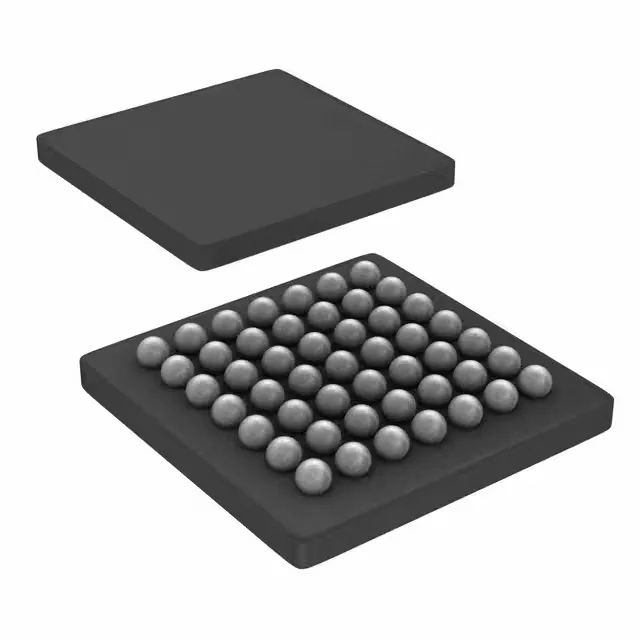
Texas Instruments BQ24271YFFR — Power Management (PMIC / Gate Driver)

BQ24271YFFR Texas Instruments Battery Charger IC, 1.5A, I²C

MPNBQ24271YFFR
Active

Texas Instruments BQ24271YFFR single-cell Li-Ion battery charger IC, I²C programmable charge current up to 1.5A, 49-DSBGA package, -40°C to 85°C operating range.

$4.4745Ref. price · indicative, final on quote
Independent supplier — new & surplus stockAuthenticity-screened · ESD-safe packingListing updated Aug 2026

Specifications

BQ24271YFFR specifications
ParameterValue
MountingSurface Mount
Battery pack voltage3.7V
Supply voltage6V
Current - chargingConstant - Programmable
Charge current - max1.5A
InterfaceI²C
Operating temperature-40°C~85°C(TA)
PackageTape & Reel (TR)
Case49-UFBGA, DSBGA
Number of cells1
Fault protectionOver Temperature, Over Voltage, Short Circuit
Battery chemistryLithium Ion
Programmable featuresCurrent

Product details

Single-cell Li-Ion charger with I²C control

The BQ24271YFFR is a Texas Instruments single-cell Lithium Ion battery charger IC that uses an I²C interface to set the charge current up to a maximum of 1.5A, making it suitable for portable devices where the charge profile must be adjusted by the system host. Rated for a battery pack voltage of 3.7V and a maximum supply voltage of 6V, the device integrates fault protection for over-temperature, over-voltage, and short-circuit conditions, reducing external component count in the charging path.

Package and thermal environment

Housed in a 49-ball DSBGA (2.8x2.8 mm) package, the BQ24271YFFR is a surface-mount device supplied on Tape & Reel.

Frequently asked questions

What is the maximum charge current for BQ24271YFFR?

The maximum programmable charge current is 1.5A, set via the I²C interface. The charging method is constant-current programmable, allowing the host controller to adjust the charge rate dynamically.

What fault protection does BQ24271YFFR include?

The device integrates over-temperature, over-voltage, and short-circuit protection, covering the most common fault conditions in single-cell Li-Ion charging applications.