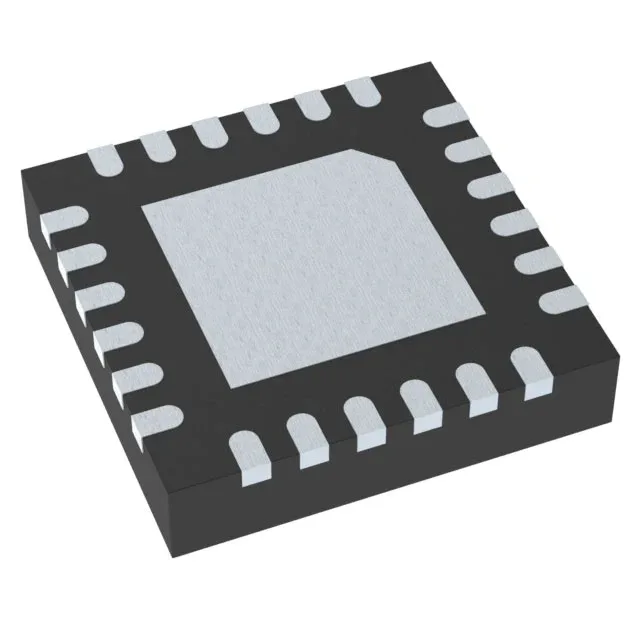
The I²C interface lets the host set the charge current and monitor fault conditions, including over-temperature and over-voltage protection.
The 3 A maximum charge current supports fast charging of single-cell Li-Ion packs in the 2–4 Ah range, typical for handheld terminals, medical devices, and portable instruments. The I²C bus allows the system microcontroller to adjust the charge current dynamically, terminate charging at the correct voltage, and read fault flags — eliminating the need for external resistor dividers or logic pins. The 3.5 V battery pack voltage is the regulation target for the single-cell Li-Ion chemistry. The constant-current / constant-voltage profile is handled internally; the host only needs to set the current via I²C.