2.5A programmable charge current — sizing the charge time
The BQ24167RGET is a single-cell Li-Ion battery charger IC from Texas Instruments, designed for constant-current programmable charging up to 2.5A max. That 2.5A figure is the key spec: it determines how fast you can fill a 1-cell Li-Ion pack. For a typical 2000 mAh cell, you're looking at roughly an hour charge time at the full rate, assuming the input supply can deliver. The charge current is set with an external resistor, so you can dial it down for smaller cells or thermal-limited enclosures. The part accepts a USB interface and runs from a supply up to 10V. That 10V ceiling means you can power it from a standard 5V USB port or a 5V wall wart, but a 12V automotive rail or 9V battery will need a pre-regulator to stay under the max. The battery pack voltage is 3.7V, which is the nominal voltage of a standard 1-cell Li-Ion cell. Built-in fault protection covers over-temperature and short-circuit conditions, which reduces the external component count for safety compliance.
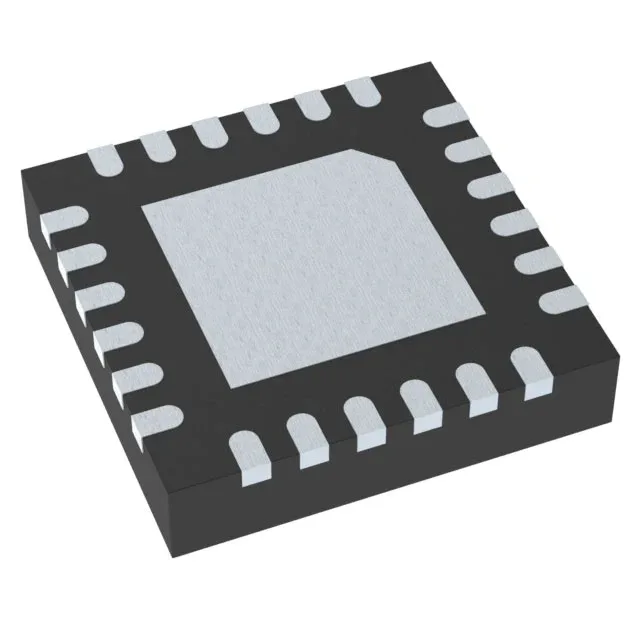
24-VQFN (4x4) — hand-solderable with care
That's a 4x4 mm QFN with a thermal pad underneath. Without those vias, the junction temperature will climb fast during a full-rate charge cycle. The package is surface-mount, and the shipping options include Tape & Reel or Cut Tape — the Cut Tape option is handy for prototyping or low-volume builds.
The base product number is BQ24167, which means other variants in the same family share the same basic silicon and pinout — useful if you need to cross-reference for second-source planning.