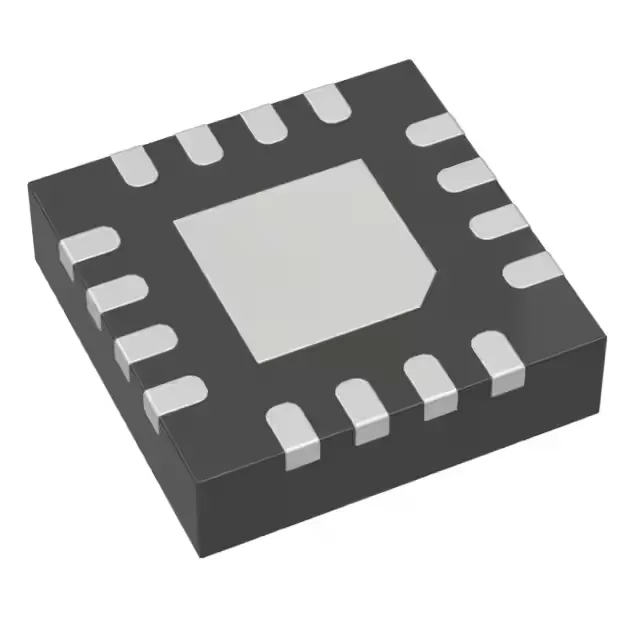
Texas Instruments BQ24078RGTT — Power Management (PMIC / Gate Driver)

BQ24078RGTT Texas Instruments Li-Ion Battery Charger IC

MPNBQ24078RGTT
Active

Texas Instruments BQ24078RGTT, single-cell Li-Ion linear charger, USB interface, 1.5 A max charge current, 4.35 V battery pack voltage, 16-VQFN (3x3) exposed pad package.

$4.3800Ref. price · indicative, final on quote
Packaging16-VFQFN Exposed Pad
RoHSROHS3 Compliant
Independent supplier — new & surplus stockAuthenticity-screened · ESD-safe packingListing updated Aug 2026

Specifications

BQ24078RGTT specifications
ParameterValue
MountingSurface Mount
Battery pack voltage4.35V
Supply voltage6.4V
Current - chargingConstant
Charge current - max1.5A
InterfaceUSB
Operating temperature-40°C~125°C(TJ)
PackageTape & Reel (TR); Cut Tape (CT)
Case16-VFQFN Exposed Pad
Number of cells1
Fault protectionOver Temperature, Over Voltage, Reverse Current, Short Circuit
Battery chemistryLithium Ion
Programmable featuresCurrent, Timer

Product details

The BQ24078RGTT is a linear Li-Ion battery charger for single-cell packs, drawing power from a USB port. It terminates at 4.35 V and delivers up to 1.5 A charge current. The device integrates over-temperature, over-voltage, reverse-current, and short-circuit fault protection, which reduces the external component count for a safety-compliant charger circuit. Charge current and safety timer are programmable via external resistors, so one BOM can cover multiple cell capacities without firmware changes.

Supply voltage and input interface

Maximum supply voltage is 6.4 V, which gives headroom above the nominal 5 V USB bus and allows the charger to operate from a 5.5 V regulated rail without an external LDO. The USB interface designation means the part handles the input current negotiation and power-path management typical of USB-charged devices.

Frequently asked questions

What is the maximum charge current of the BQ24078RGTT?

The maximum charge current is 1.5 A, set by an external resistor. The actual current in your design depends on the thermal dissipation of the PCB layout.