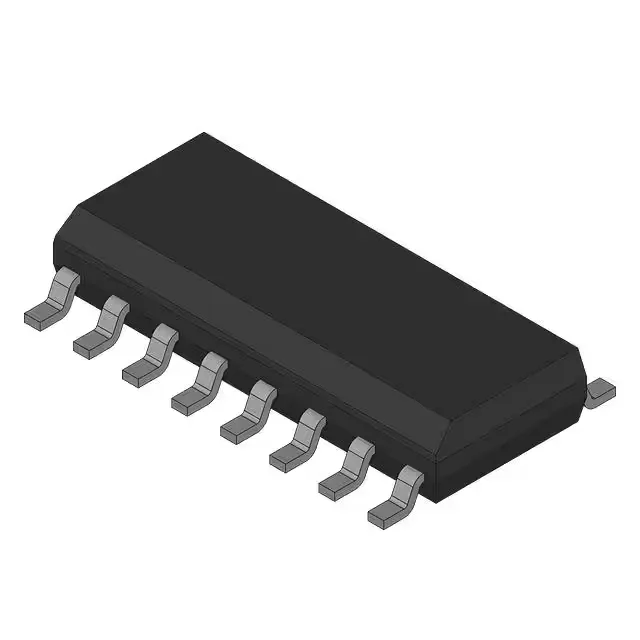
Texas Instruments BQ2040SN-D111TR-TI — Discrete Semiconductors

BQ2040SN-D111TR-TI Battery Monitor, SMBus, 3-Cell, 16-SOIC

MPNBQ2040SN-D111TR-TI
End of Life

Texas Instruments BQ2040SN-D111TR-TI Battery Monitor, Multi-Chemistry, SMBus Interface, 3-Cell, 16-SOIC (0.154", 3.90mm Width), Surface Mount, Bulk.

$13.23Ref. price · indicative, final on quote
Packaging16-SOIC (0.154", 3.90mm Width)
RoHSROHS3 Compliant
Independent supplier — new & surplus stockAuthenticity-screened · ESD-safe packingListing updated Aug 2026

Specifications

BQ2040SN-D111TR-TI specifications
ParameterValue
MountingSurface Mount
InterfaceSMBus
Operating temperature0°C ~ 70°C
PackageBulk
FunctionBattery Monitor
Case16-SOIC (0.154\", 3.90mm Width)
Number of cells3
Fault protectionOver Current, Over Temperature, Over/Under Voltage
Battery chemistryMulti-Chemistry

Product details

Multi-chemistry SMBus monitor for 3-cell packs

The BQ2040SN-D111TR-TI is a multi-chemistry battery monitor from Texas Instruments that communicates over the SMBus interface, designed to track charge state and health in 3-cell battery packs. It integrates fault protection for over-current, over-temperature, and over/under-voltage conditions — the monitor itself can flag a pack fault without relying solely on a separate protector IC.

Packaged in a 16-SOIC (3.90 mm body width) with surface-mount termination, the footprint matches the industry-standard SOIC-16 land pattern for a straightforward PCB layout.

Frequently asked questions

What is the BQ2040SN-D111TR-TI used for?

It is a multi-chemistry battery monitor that tracks charge parameters for 3-cell packs and reports over the SMBus. It also provides fault detection for over-current, over-temperature, and over/under-voltage conditions.

Is the BQ2040SN-D111TR-TI a direct replacement for the BQ296217DSGT?

No — the BQ296217DSGT is a lithium-ion battery protection IC (over-voltage only) in a different package and temperature range. The BQ2040SN-D111TR-TI is a monitor with SMBus communication and broader fault coverage; they serve different roles in the battery management system.