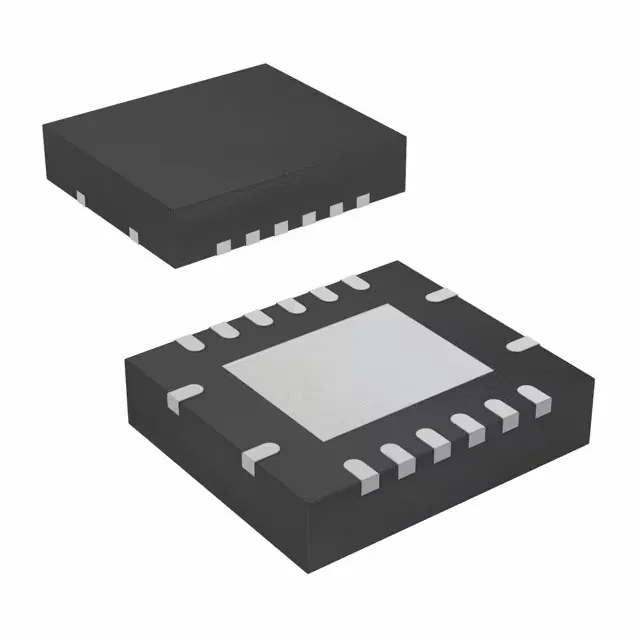
Texas Instruments AM26LV31EIRGYR — Interface & Transceivers

TI AM26LV31EIRGYR RS-422/RS-485 Driver, 3-3.6V, 16-VQFN

MPNAM26LV31EIRGYR
Active

Texas Instruments AM26LV31EIRGYR, RS422/RS485 quad driver, 3V–3.6V supply, -40°C–85°C, 16-VFQFN Exposed Pad (4x3.5mm), surface mount, active.

$2.0500Ref. price · indicative, final on quote
Independent supplier — new & surplus stockAuthenticity-screened · ESD-safe packingListing updated Aug 2026

Specifications

AM26LV31EIRGYR specifications
ParameterValue
TypeDriver
MountingSurface Mount
Supply voltage3V ~ 3.6V
ProtocolRS422, RS485
Operating temperature-40°C~85°C
PackageTape & Reel (TR); Cut Tape (CT)
Case16-VFQFN Exposed Pad
Number of drivers (Receivers)4/0

Product details

3.3V supply — not a drop-in for 5V RS-485 buses

This part is a low-voltage RS-422/RS-485 driver, not a 5V part. If your existing backplane or cable plant expects 5V differential swing, the AM26LV31EIRGYR will not meet the VOD minimum at the receiver. It is a correct choice for 3.3V-only systems — newer PLCs, 3.3V FPGA banks, or battery-powered remote I/O — where the bus voltage stays within the 3.6V absolute maximum.

Package and thermal: QFN layout notes

The 16-VFQFN with exposed pad measures 4x3.5 mm. This is a QFN — not an SOIC — so the stencil aperture for the center pad and the via pattern under it need to be in the layout notes from the start.

It can be designed into new builds without scheduling a last-time buy or qualification of a replacement.

Frequently asked questions

Is AM26LV31EIRGYR compatible with 5V systems?

No. It is a low-voltage driver and cannot be powered from a 5V rail. The differential output voltage will be too low to reliably drive a 5V RS-485 receiver.

What is the difference between AM26LV31EIRGYR and AM26LV31EID?

Both use the same quad-driver die with the same 3V–3.6V supply and RS-422/RS-485 protocol. The difference is the package and shipping form: AM26LV31EIRGYR is the 16-VFQFN exposed pad (4x3.5 mm) in Tape & Reel; AM26LV31EID is the 16-SOIC package. The SOIC variant is easier to hand-solder and has a larger footprint, while the QFN saves board area and needs a thermal-via pattern.