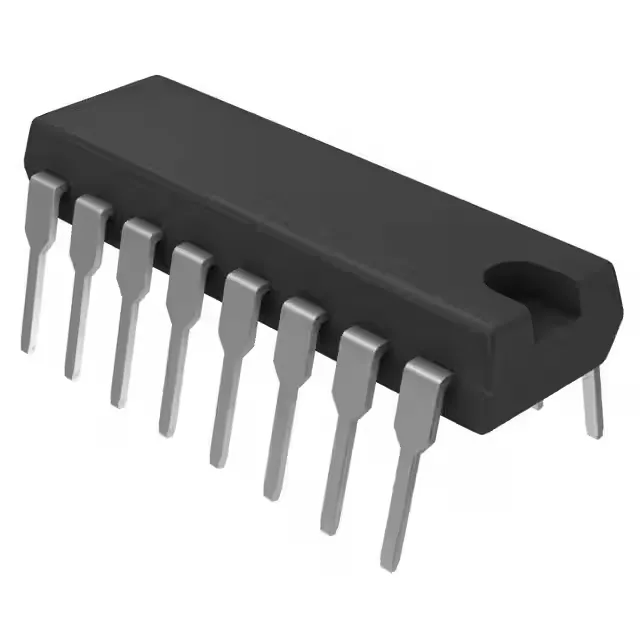
Texas Instruments AM26C31IN — Analog & Data Acquisition

AM26C31IN RS-422 Line Driver, 16-DIP, Industrial Temp

MPNAM26C31IN
End of Life

Texas Instruments AM26C31IN, RS-422 differential line driver, 4/0 driver/receiver, 4.5V–5.5V supply, –40°C to 85°C, 16-DIP through-hole package, active, ROHS3 compliant.

$1.63Ref. price · indicative, final on quote
Packaging16-DIP (0.300", 7.62mm)
RoHSROHS3 Compliant
Independent supplier — new & surplus stockAuthenticity-screened · ESD-safe packingListing updated Aug 2026

Specifications

AM26C31IN specifications
ParameterValue
TypeDriver
MountingThrough Hole
Supply voltage4.5V ~ 5.5V
Operating temperature-40°C ~ 85°C
PackageTube
Case16-DIP (0.300\", 7.62mm)
Number of drivers (Receivers)4/0

Product details

What is this part and where does it fit?

It provides four drivers and zero receivers — a pure transmit-side interface IC, not a transceiver. The 4.5V to 5.5V supply range and –40°C to 85°C industrial temperature grade suit it for PLCs, motor drives, factory automation, and any noisy environment where balanced signaling is needed.

Why the 16-DIP package matters on site

The 16-DIP (0.300", 7.62mm) through-hole package is a field-service win. No hot-air station needed — a socket or a soldering iron swap is all it takes. For repair techs carrying a field kit, this means you can replace the AM26C31IN on a customer's PLC card without a lab bench. The wide pin spacing also makes orientation obvious, reducing the risk of a backwards install.

Frequently asked questions

What is the difference between AM26C31IN and AM26C31IDR?

The AM26C31IN comes in a 16-DIP through-hole package, while the AM26C31IDR is a surface-mount SOIC-16 variant. Electrically they are identical — same quad driver, same supply and temperature range. The choice depends on your board assembly process: through-hole for field-serviceable or socketed designs, SOIC for automated SMT lines.

What is the AM26C31IN used for?

It is a quad differential line driver for RS-422 and RS-485 communication links. Typical applications include PLCs, motor drives, factory automation, and any system that needs balanced signaling over twisted-pair cables in electrically noisy industrial environments.