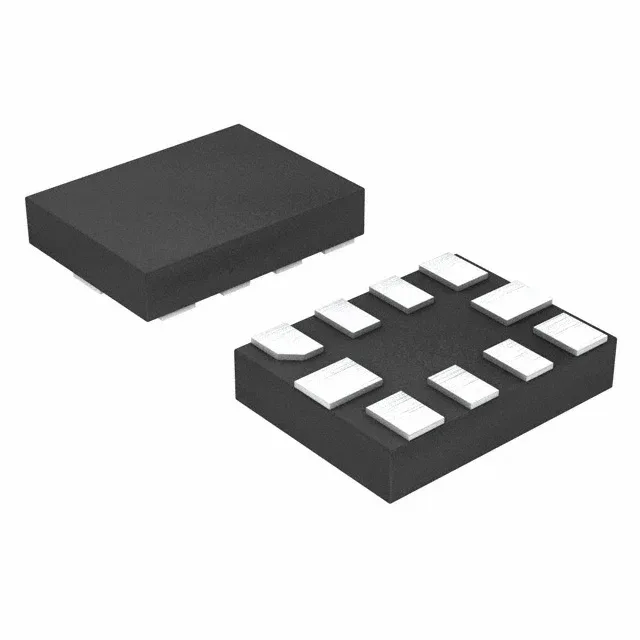
Texas Instruments ADS1115IRUGT — Analog & Data Acquisition

ADS1115IRUGT 16-bit ADC, I2C, PGA, 860 SPS, -40 to 125°C

MPNADS1115IRUGT
Active

Texas Instruments ADS1115IRUGT, 16-bit sigma-delta ADC, I2C, PGA, 860 SPS, 2-input differential/single-ended, internal reference, 2V~5.5V supply, -40°C~125°C, 10-XFQFN package.

$6.6600Ref. price · indicative, final on quote
Independent supplier — new & surplus stockAuthenticity-screened · ESD-safe packingListing updated Jul 2026

Specifications

ADS1115IRUGT specifications
ParameterValue
Input typeDifferential, Single Ended
MountingSurface Mount
Reference typeInternal
Voltage - supply, analog2V ~ 5.5V
Voltage - supply, digital2V ~ 5.5V
I/O channels2
InterfaceI²C
Operating temperature-40°C~125°C
PackageTape & Reel (TR); Cut Tape (CT)
FeaturesPGA, Selectable Address
ArchitectureSigma-Delta
ConfigurationMUX-PGA-ADC
Number of bits16
Case10-XFQFN
Number of a (D converters)1
Sampling rate (Per second)860

Product details

16-bit precision ADC for tight spaces

It accepts two differential or four single-ended inputs through the on-chip MUX, and communicates over an I2C interface. The PGA offers selectable gains up to ±256 mV full-scale, letting you digitize small sensor signals directly without an external amplifier.

Sampling rate and supply flexibility

Sampling rate is 860 samples per second — suited for low-bandwidth measurements like temperature, pressure, or battery voltage monitoring. The internal reference eliminates one external BOM line, though its drift sets the accuracy floor for the system.

The 10-XFQFN package is a fine-pitch no-lead design — the 0.40 mm pad pitch requires a well-controlled solder paste stencil and a reflow profile matched to the board thickness.

The base product number ADS1115 covers multiple package and temperature variants; the IRUGT suffix identifies this specific tape-and-reel, X2QFN-packaged, -40°C to 125°C grade part.

Frequently asked questions

What is the I2C address of ADS1115IRUGT?

The ADS1115 has a selectable I2C address — the ADDR pin connects to GND, VDD, SDA, or SCL to set one of four addresses. This lets you place up to four devices on the same bus without address conflict.