What this single-gate buffer does on a mixed-voltage board
It sits between two voltage domains and lets you isolate or enable a signal line with a single control pin. The supply range runs from 1.65V up to 5.5V, so it can translate a 1.8V logic signal onto a 3.3V bus or buffer a 5V CMOS output into a lower-voltage input without a separate level shifter. Each output can sink or source 32mA, enough to drive a handful of CMOS loads or a short PCB trace without extra fan-out gates.
The 125°C ceiling is the junction limit for the LVC process; if your board sits near a hot regulator or a motor driver, this part keeps working where a commercial-grade 85°C buffer would drop out.
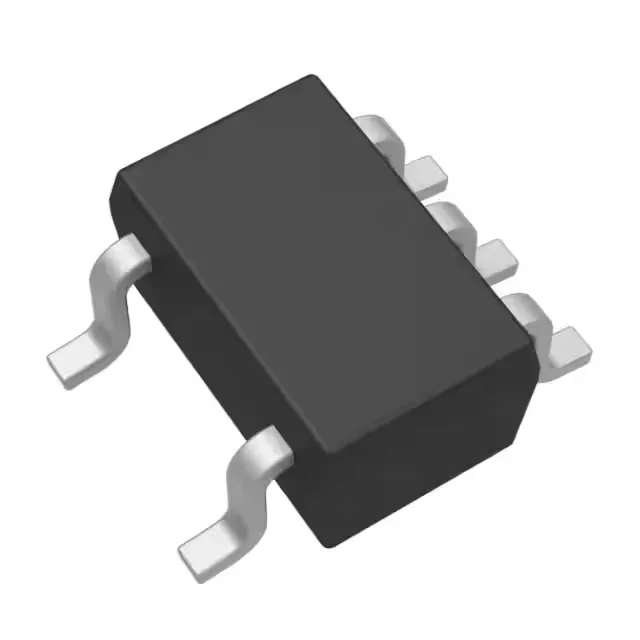
Housed in the SC-70-5 (SOT-353) package, the part measures roughly 2.0 mm × 2.1 mm with a 0.65 mm pin pitch. The supplier device package is SC-70-5, which is the same mechanical outline as the generic SOT-353. That footprint is common enough that most PCB layout tools have a standard land pattern. The reel (TR) packaging is the usual for automated pick-and-place; if you need a different carrier, the base product number 74LVC1G125 is available in tube or tape variants, but this specific suffix (DCKTE4) ships on tape and reel only.
Lifecycle — no end-of-life surprise
TI lists this part as Active on the product status. The 74LVC family is a mature, widely second-sourced logic series, so you are not betting on a single fab line.