The 74H74DC is a dual D-type flip-flop with positive-edge triggering, part of the 74H high-speed logic family. Each flip-flop captures the D input on the rising edge of the clock and holds it until the next clock edge. This part is typically used in register, counter, and data-latch applications in legacy TTL-based systems — think industrial controllers, test equipment, or retrofits of 1970s–80s board-level designs. The Bulk package designation points to a through-hole ceramic DIP, common in high-reliability or military-temperature-range sockets where socketed replacement is expected.
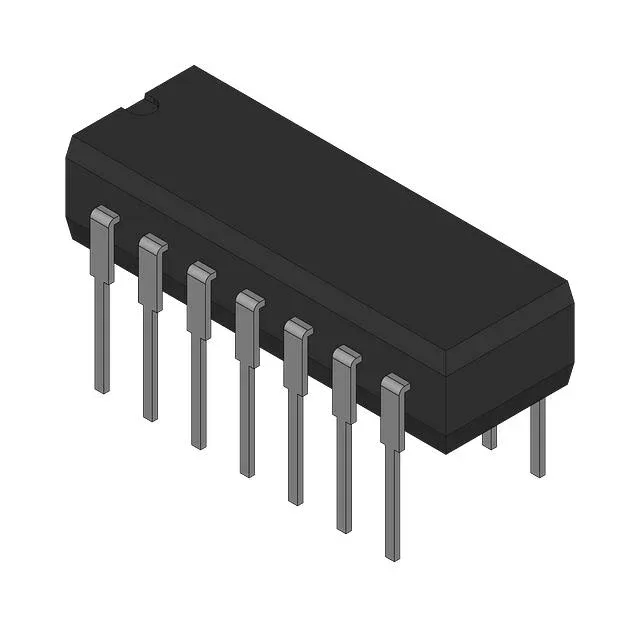
74H74DC Dual D Flip-Flop, Positive-Edge Triggered, Active
MPN74H74DC
End of Life
74H74DC, 2-function positive-edge triggered D flip-flop, Bulk package, active lifecycle.
$2.49Ref. price · indicative, final on quote
RoHSNot applicable
Series*
Independent supplier — new & surplus stockAuthenticity-screened · ESD-safe packingListing updated Aug 2026
Specifications
| Parameter | Value |
|---|---|
| Series | * |
| Package | Bulk |
Product details
Frequently asked questions
What is the function of 74H74?
The 74H74 is a dual D-type flip-flop with positive-edge triggering. Each flip-flop transfers the D input to the output on the rising edge of the clock.
What package is 74H74DC?
The 74H74DC is supplied in a Bulk package, which typically indicates a through-hole ceramic DIP for socketed high-reliability applications.
What is the difference between 74H74DC and 74LS74?
Both are dual D flip-flops with the same logic function, but the 74H74DC uses the original high-speed TTL family (higher power, lower noise margin) while the 74LS74 is a low-power Schottky variant. They are pin-compatible but not electrically interchangeable without checking supply current and fan-out.