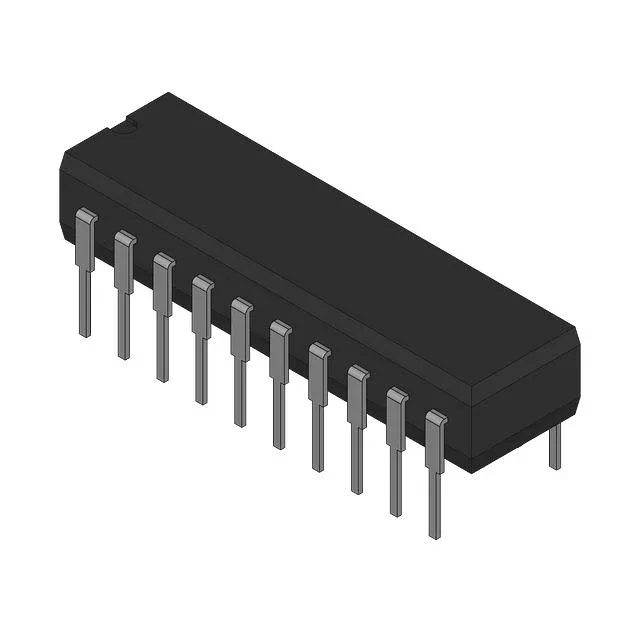
Texas Instruments 74F244PC — Logic ICs

74F244PC Buffer, Non-Inverting, 3-State, 20-DIP, Active

MPN74F244PC
End of Life

74F series, 74F244PC, Buffer, Non-Inverting, 3-State, 2 Elements, 4 Bits per Element, 4.5V ~ 5.5V Supply, 3mA / 64mA Output, 0°C ~ 70°C, 20-DIP (0.300", 7.62mm), Through Hole, Active.

$0.68Ref. price · indicative, final on quote
Packaging20-DIP (0.300", 7.62mm)
StockContact for availability
MOQ1 pcs
  • 100% new & originalTraceable channels only — no refurbs, no pulls, no remarked parts.
  • Date & lot codes on quoteStated per line before you commit; label photos on request.
  • MSL-compliant ESD packingMoisture-sealed bags with indicator cards; reels photo-verified.
  • PayPal buyer protectionPay by T/T, PayPal or Payoneer — card payments covered end to end.

Specifications

74F244PC Technical Specifications
ParameterValue
Series74F
Logic typeBuffer, Non-Inverting
Output type3-State
Mounting typeThrough Hole
Voltage4.5V ~ 5.5V
Current - output high, low3mA, 64mA
Operating temperature0°C ~ 70°C (TA)
PackageBulk
Case20-DIP (0.300\", 7.62mm)
Number of elements2
Number of bits per element4

Product details

Buffer with 3-state outputs — legacy DIP for retrofit and bench work

The 74F244PC is a 74F-series octal buffer with non-inverting logic and 3-state outputs, packaged in a 20-pin DIP with 0.300" body width (20-PDIP). It contains two independent elements, each handling four bits, for a total of eight buffered channels.

Output drive — the 64 mA sink is the headline number

The high-level output current is rated at 3 mA, while the low-level sink can handle 64 mA. That sink capability is what stands out in the 74F family — it lets this buffer drive multiple TTL loads, LED indicators, or relay coils through a resistor directly, without an external transistor stage. The 3 mA source is more modest; if you need to drive a bus with significant pull-up current, budget a buffer stage or use a higher-drive part.

Lifecycle and compliance — active, but RoHS non-compliant

The non-compliant status typically means the leads are tin-lead plated, which is still preferred in some high-reliability soldering processes (e.g., military or aerospace hand-solder rework) where tin whisker risk is a concern.

Where the 74F244PC sits versus its peers

Compared to the SN74LS645-1N (a single-element 8-bit transceiver in 20-DIP), the 74F244PC is a pure buffer — no direction control, no bidirectional bus handling. The 74F244PC's 64 mA sink is roughly 4× the LS645's 15 mA output, so it drives heavier loads without an external buffer. For a drop-in DIP replacement with the same pinout, the 74F244PC's direct functional equivalent is another 74F244 in a DIP package; the 74ACT16833DL is a bulk-listed part but different logic and pinout.

Frequently asked questions

What is the replacement for 74F244PC?

The 74F244PC is still active, so a direct replacement is another 74F244 in a 20-DIP package from the same series. For a functionally similar buffer with different drive or voltage, consider the SN74LS645-1N (8-bit transceiver, lower drive) or the 74LVTH16245ADGVR (surface-mount, 3.3 V) — both are different pinouts and logic families, not drop-in replacements.

Does the 74F244PC work with 3.3 V logic?

No. Running at 3.3 V would violate the minimum supply spec and produce undefined logic levels. For 3.3 V operation, use a 74LVT or 74LVTH series buffer instead.

What is the difference between 74F244 and 74F245?

The 74F244 is an octal buffer with two 4-bit elements and no direction control — it always drives from input to output. The 74F245 is an octal transceiver with a direction pin (DIR) that allows bidirectional data flow, plus an output-enable pin. Both have 3-state outputs and similar drive capability, but the 245 is a bus transceiver while the 244 is a unidirectional buffer.