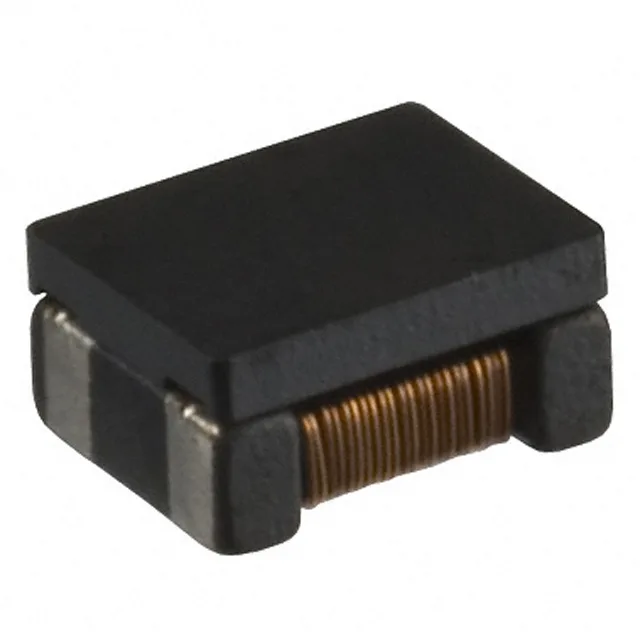
NRND — what it means for your BOM
The ACM2012-900-2P-T002: That means it is still available through independent distribution for existing production BOM lines, but it should not be selected for a new board layout — the risk of an unannounced EOL notice is real, and a last-time-buy window could close with short notice. For a running build that already qualifies this filter, the NRND status is manageable: source it per RFQ through surplus or authorized channels and keep a close watch on TDK's PCN feed. If you are prototyping a new design, pick a current-production common-mode choke from the same ACM family with a similar impedance profile.
90 Ohms at 100 MHz — what it suppresses
The 90 Ω common-mode impedance at 100 MHz targets conducted EMI in the 30–300 MHz range — the band where USB 2.0, Ethernet, and LVDS differential pairs radiate. It knocks down common-mode noise on the signal pair without degrading the differential signal integrity, because the differential inductance is orders of magnitude lower.
It sits flat on the PCB — no stand-off — so the solder fillet is visible for AOI inspection.