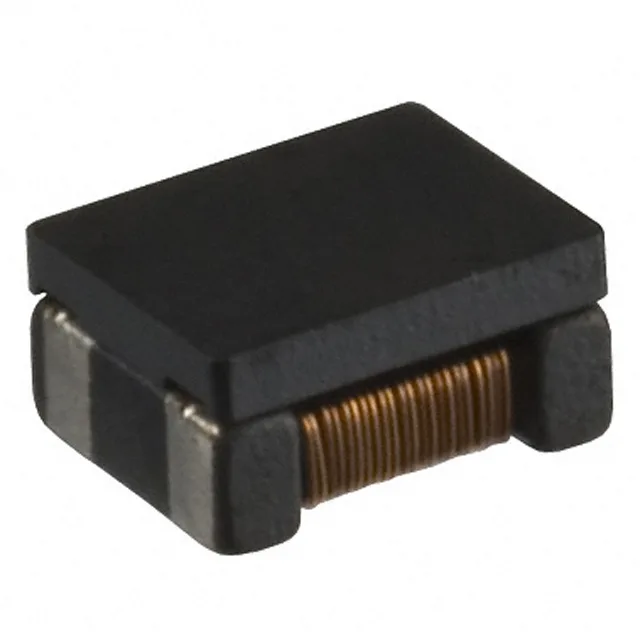
TDK Corporation ACM2012-121-2P-T002 — EMI Filters & Ferrite Beads

TDK ACM2012-121-2P-T002 Common Mode Filter, 120 Ohms

MPNACM2012-121-2P-T002
NRND

TDK ACM series common mode filter, ACM2012-121-2P-T002, 120 Ohms @ 100 MHz, 370 mA, 50 VDC, 0805 SMD, 2-line, signal line filter.

$0.4000Ref. price · indicative, final on quote
Independent supplier — new & surplus stockAuthenticity-screened · ESD-safe packingListing updated Jul 2026

Specifications

ACM2012-121-2P-T002 specifications
ParameterValue
SeriesACM
Filter typeSignal Line
MountingSurface Mount
Voltage rating - DC50V
Current rating370mA
Impedance @ frequency120 Ohms @ 100 MHz
Operating temperature-40°C ~ 85°C
Height0.051\" (1.30mm)
Size (Dimension)0.079\" L x 0.047\" W (2.00mm x 1.20mm)
PackageTape & Reel (TR) Cut Tape (CT)
CaseHorizontal, 4 PC Pad
Number of lines2
DC resistance (DCR)220mOhm

Product details

120 Ohm common mode choke for signal lines

The ACM2012-121-2P-T002: It targets signal line filtering — the 120 Ohms impedance at 100 MHz knocks down common mode noise on differential pairs without attenuating the differential signal itself. The 50 VDC voltage rating gives headroom for industrial control bus lines running at 24 V.

This means the part is still orderable for existing production but is not intended for new board spins — TDK will eventually issue an EOL notice. New designs should evaluate a pin-compatible common mode filter from the same ACM 0805 family with matching 2-line, 120 Ohm, 370 mA+ rating.

0805 footprint — board integration notes

Surface mount in a Horizontal, 4 PC Pad package — the four-pad layout routes each differential line through one winding, with the two coils sharing the common ferrite core. Operating temperature range is -40°C to +85°C, covering indoor telecom and industrial control environments.

Frequently asked questions

What is the impedance of ACM2012-121-2P-T002 at 100 MHz?

120 Ohms at 100 MHz, measured as common mode impedance. This is the standard rating for suppressing conducted EMI in the 100 MHz band — typical for USB 2.0, Ethernet, or LVDS signal lines.