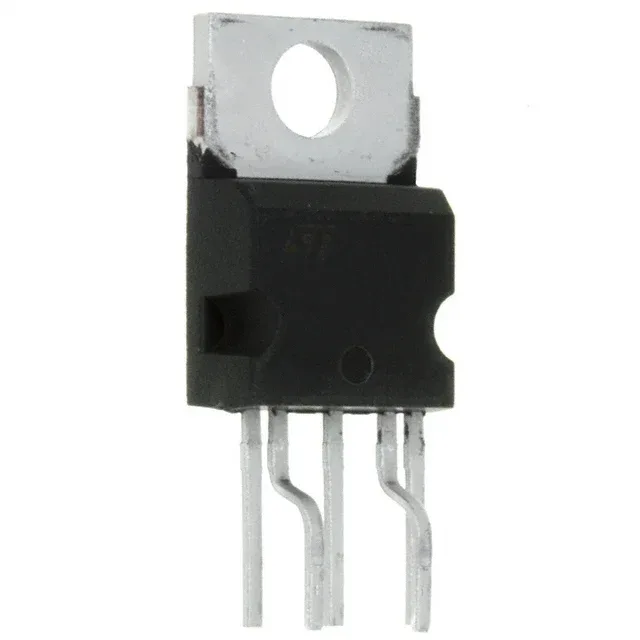
STMicroelectronics VIPER100A — Power Management (PMIC / Gate Driver)

STMicroelectronics VIPER100A Flyback Converter, 700V, 100W

MPNVIPER100A
Obsolete

STMicroelectronics VIPER™ VIPER100A, monolithic flyback switching regulator, 700V breakdown, 100 W, up to 200 kHz, Surface Mount, Pentawatt-5 HV (Bent and Staggered Leads), 8V ~ 15V supply.

Independent supplier — new & surplus stockAuthenticity-screened · ESD-safe packingListing updated Jul 2026

Specifications

VIPER100A specifications
ParameterValue
SeriesVIPER™
MountingSurface Mount
Voltage - start up11 V
Voltage - breakdown700V
Voltage - supply (Vcc (Vdd))8V ~ 15V
Power (Watts)100 W
Frequency - switchingUp to 200kHz
PackageTube
TopologyFlyback
CasePentawatt-5 HV (Bent and Staggered Leads)
Control featuresEN, Frequency Control, Soft Start
Fault protectionCurrent Limiting, Over Temperature
Output isolationIsolated
Internal switchYes

Product details

700 V breakdown in a monolithic flyback switcher

The STMicroelectronics VIPER100A is a monolithic flyback switching regulator from the VIPER™ series, integrating a 700 V avalanche-rugged Power MOSFET and current-mode PWM controller in a single Pentawatt-5 HV package with bent and staggered leads for surface-mount assembly. Rated for 100 W of output power, it supports switching frequencies up to 200 kHz, which lets the designer use a smaller transformer core than a 100 kHz design would allow.

Built-in control and protection reduce BOM count

The controller includes an internal start-up regulator (11 V start-up threshold), soft-start, frequency control, and an enable pin — features that eliminate several external bias and sequencing components. Fault protection covers current limiting and over-temperature shutdown, so the supply rail is self-protecting against output shorts and thermal runaway without a discrete sense resistor or thermistor.

Frequently asked questions

What is the operating frequency of VIPER100A?

The VIPER100A supports switching frequencies up to 200 kHz, allowing transformer size reduction compared to lower-frequency designs.