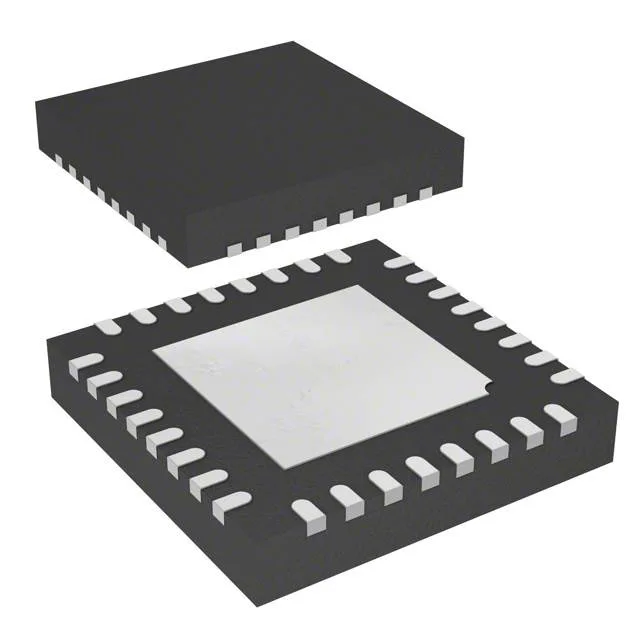
STMicroelectronics STM8S105K4U3ATR — Microcontrollers & Processors (MCU / MPU / DSP)

STM8S105K4U3ATR 8-bit MCU, 16 MHz, 16 KB Flash

MPNSTM8S105K4U3ATR
Active

STMicroelectronics STM8S105K4U3ATR, 8-bit MCU, STM8S series, 16 MHz, 16 KB Flash, 2K x 8 RAM, 1K x 8 EEPROM, 25 I/O, I²C/SPI/UART, -40°C to 125°C, 32-UFQFPN (5x5).

$1.3627Ref. price · indicative, final on quote
Independent supplier — new & surplus stockAuthenticity-screened · ESD-safe packingListing updated Jul 2026

Specifications

STM8S105K4U3ATR specifications
ParameterValue
SeriesSTM8S
MountingSurface Mount
Oscillator typeInternal
Program memory typeFLASH
Voltage - supply (Vcc (Vdd))2.95V ~ 5.5V
Operating temperature-40°C ~ 125°C (TA)
Speed16MHz
PackageTape & Reel (TR)
RAM size2K x 8
Core size8-Bit
EEPROM size1K x 8
PeripheralsBrown-out Detect/Reset, POR, PWM, WDT
ConnectivityI²C, IrDA, LINbus, SPI, UART/USART
Number of i (O)25
Core processorSTM8A
Case32-UFQFN Exposed Pad
Data convertersA/D 7x10b
Program memory size16KB (16K x 8)

Product details

16 MHz 8-bit MCU with integrated EEPROM for industrial control

The STMicroelectronics STM8S105K4U3ATR is an 8-bit microcontroller from the STM8S family, built around the STM8A core and clocked at 16 MHz.

Memory and peripheral set for small-footprint control

The 16 KB Flash is sized for modest firmware images — think motor commutation loops, sensor fusion, or communication protocol stacks. Peripherals include a brown-out reset, POR, PWM outputs, and a watchdog timer, covering the basics for reliable standalone operation.

Without that via stitch, junction temperature rises quickly under continuous load at the high end of the temperature range. The pad also provides a low-inductance ground return for the I/O and ADC.

Frequently asked questions

What is the difference between STM8S105K4U3ATR and STM8S105K4U3?

The 'ATR' suffix typically denotes tape-and-reel packaging and a specific temperature grade. Confirm the exact suffix against your BOM requirements.

How to program STM8S105K4U3ATR?

Programming is done via the SWIM (Single Wire Interface Module) protocol, supported by ST's ST-Link debugger/programmer and third-party tools. The internal Flash is self-programmable, allowing in-application firmware updates.