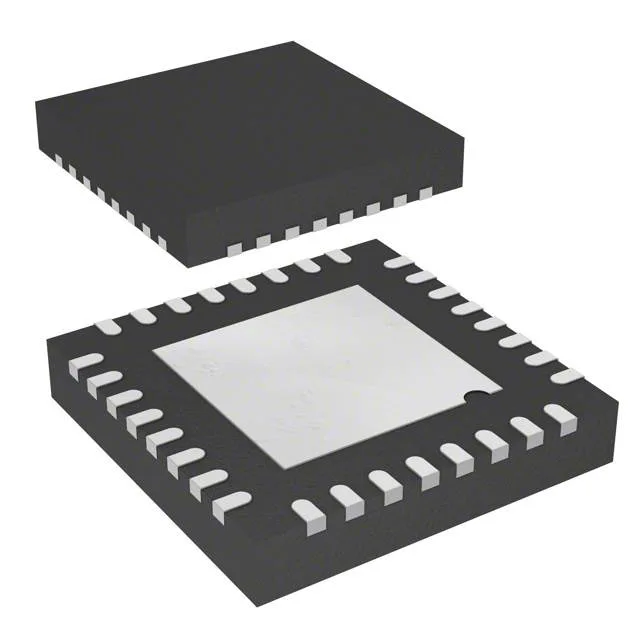
8-bit automotive MCU with LIN and analog integration
That means ST has stopped actively promoting it for new projects, though existing production runs may still be fulfilled through the channel.
What the 16 MHz STM8 core and peripherals mean for the BOM
The 16 MHz clock rate is the ceiling for the STM8 core on this part — enough for LIN message handling, ADC sampling at several kilohertz, and general-purpose control loops, but not a fit for high-speed DSP or video. The 32 KB Flash and 2 KB RAM limit firmware complexity to mid-range automotive tasks: window lift, seat position memory, steering-column control, or HVAC actuator drivers. The 1 KB EEPROM is useful for calibration constants and fault codes that survive a power cycle without external storage. The 30 I/O in a 32-pin VFQFN package leave few spare pins — the layout needs to commit the ADC inputs, LIN transceiver, and SPI bus early in the pin assignment.
The industrial temperature grade covers cabin and under-hood automotive environments that stay within that window; for 125 °C-rated applications, a different STM8A variant would be required.