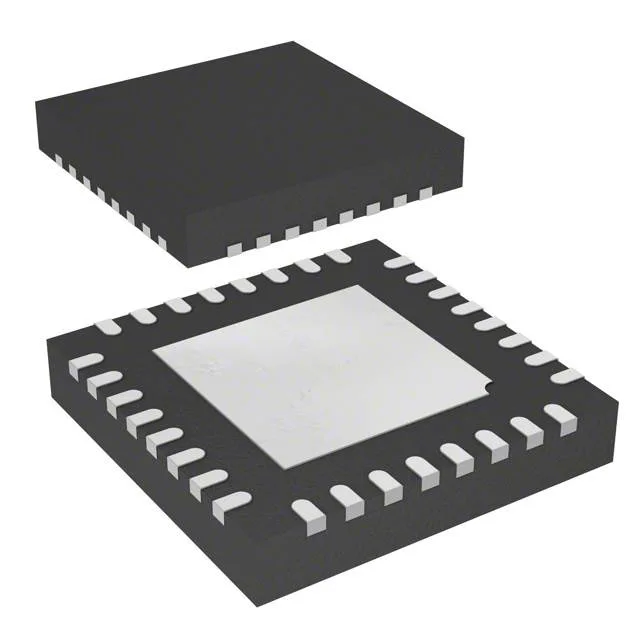
STMicroelectronics STM8AF5286UDX — Microcontrollers & Processors (MCU / MPU / DSP)

STM8AF5286UDX 8-bit MCU, 24MHz, 64KB Flash, AEC-Q100, NRND

MPNSTM8AF5286UDX
NRND

STMicroelectronics STM8AF5286UDX, 8-bit STM8A MCU, 24MHz, 64KB Flash, 6KB RAM, 2KB EEPROM, 25 I/O, CAN/LIN/I²C/UART, 32-UFQFPN (5x5), -40°C to 150°C, AEC-Q100.

$2.7044Ref. price · indicative, final on quote
Independent supplier — new & surplus stockAuthenticity-screened · ESD-safe packingListing updated Jul 2026

Specifications

STM8AF5286UDX specifications
ParameterValue
SeriesAutomotive, AEC-Q100, STM8A
MountingSurface Mount
Oscillator typeInternal
Program memory typeFLASH
Voltage - supply (Vcc (Vdd))3V ~ 5.5V
Operating temperature-40°C ~ 150°C (TA)
Speed24MHz
PackageTape & Reel (TR)
RAM size6K x 8
Core size8-Bit
EEPROM size2K x 8
PeripheralsBrown-out Detect/Reset, POR, PWM, WDT
ConnectivityCANbus, I²C, LINbus, UART/USART
Number of i (O)25
Core processorSTM8A
Case32-UFQFN Exposed Pad
Data convertersA/D 6x10b
Program memory size64KB (64K x 8)

Product details

That means it is not recommended for new production builds, though existing designs may still be supported through the end-of-life transition.

Automotive-grade 8-bit MCU with CAN and LIN

On-chip peripherals include a CAN 2.0B controller, LIN/UART, I²C, and a 6-channel 10-bit ADC.

Memory and peripheral fit

The 24 MHz core delivers enough throughput for a CAN node running a 1 ms control loop with margin.

Supply range and power rails

That flexibility simplifies the power tree — a single 5 V battery-backed rail or a 3.3 V regulated rail both work without a level shifter on the MCU side.

Frequently asked questions

Is STM8AF5286UDX obsolete or NRND?

It is not yet fully discontinued, but the manufacturer advises against using it in new production. Existing designs should plan a migration to a current-production STM8A variant.

Does STM8AF5286UDX have CAN and LIN interfaces?

Yes, the STM8AF5286UDX includes both a CAN 2.0B controller and a LIN/UART interface, along with I²C and a second UART. This makes it well-suited for automotive body networks where CAN and LIN are the standard buses.