Automotive 8-bit MCU with CAN and LIN — what it is
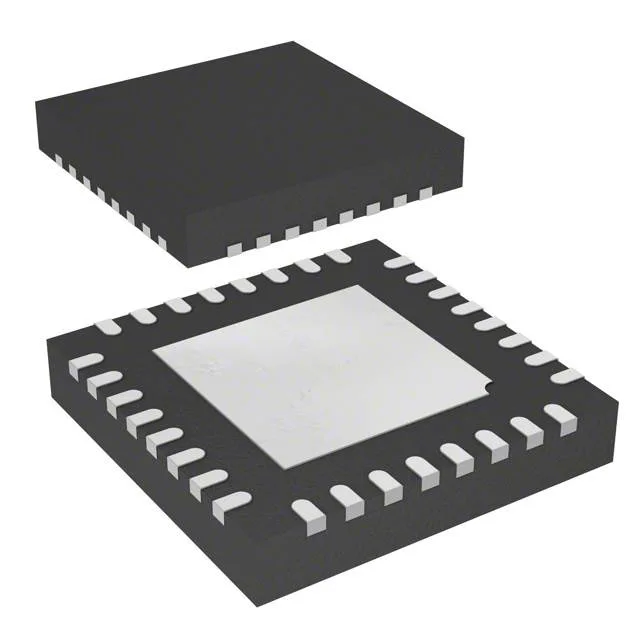
The peripheral set includes CAN 2.0B, LIN/UART, I2C, and a 6-channel 10-bit ADC, all in a 32-pin UFQFPN package with an exposed thermal pad.
That means ST has stopped actively promoting it for new projects, though it remains available for existing production runs through the independent distribution channel.
24 MHz, 64 KB Flash, CAN — the spec that matters for the BOM
The 24 MHz core speed is the ceiling for this 8-bit STM8A architecture. At that clock, the Flash requires zero wait states for most linear code — the bus is efficient enough that you get the full MIPS out of it, unlike some 8-bit parts that stall on every branch. The 64 KB Flash is split into 128-byte pages for erase, which matters if you are doing over-the-air or CAN-based firmware updates: the small page size reduces the time the ECU is offline during a flash cycle. The 6 KB of RAM is tight for a CAN stack with a full message buffer — budget about 1.5 KB for the CAN core, leaving 4.5 KB for application variables. The 2 KB EEPROM emulation in Flash (or the dedicated 2 KB EEPROM block) handles calibration and DTC storage without external serial EEPROM.
Package and rework — the UFQFPN with exposed pad
Moisture sensitivity is MSL 3, so bake the parts at 125°C for 24 hours if the reel has been open longer than the floor-life window.