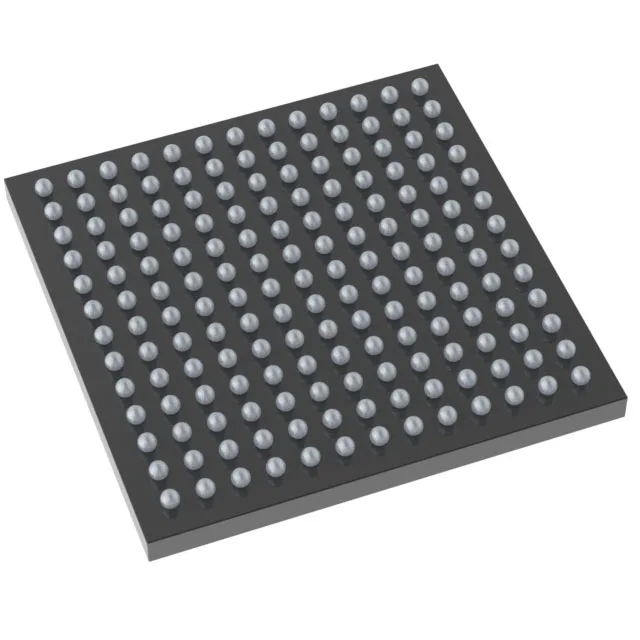
STMicroelectronics STM32L4A6AGI6P — Microcontrollers & Processors (MCU / MPU / DSP)

ST STM32L4A6AGI6P MCU, ARM Cortex-M4, 80MHz, 1MB Flash

MPNSTM32L4A6AGI6P
Active

STMicroelectronics STM32L4A6AGI6P, STM32L4 series, 32-bit ARM Cortex-M4 MCU, 80MHz, 1MB Flash, 320KB RAM, 136 I/O, 169-UFBGA 7×7mm tray, 1.71–3.6V, −40°C to 85°C.

$13.6300Ref. price · indicative, final on quote
StockContact for availability
MOQ1 pcs
  • 100% new & originalTraceable channels only — no refurbs, no pulls, no remarked parts.
  • Date & lot codes on quoteStated per line before you commit; label photos on request.
  • MSL-compliant ESD packingMoisture-sealed bags with indicator cards; reels photo-verified.
  • PayPal buyer protectionPay by T/T, PayPal or Payoneer — card payments covered end to end.

Specifications

STM32L4A6AGI6P Technical Specifications
ParameterValue
SeriesSTM32L4
Mounting typeSurface Mount
Oscillator typeInternal
Program memory typeFLASH
Voltage - supply (Vcc (Vdd))1.71V ~ 3.6V
Operating temperature-40°C ~ 85°C (TA)
Speed80MHz
PackageTray
RAM size320K x 8
Core size32-Bit Single-Core
PeripheralsBrown-out Detect/Reset, DMA, LCD, PWM, WDT
ConnectivityCANbus, EBI/EMI, I²C, IrDA, LINbus, MMC/SD, QSPI, SAI, SPI, SWPMI, UART/USART, USB OTG
Number of i (O)136
Core processorARM® Cortex®-M4
Case169-UFBGA
Data convertersA/D 24x12b; D/A 2x12b
Program memory size1MB (1M x 8)

Product details

What the STM32L4A6AGI6P brings to the board

The STM32L4A6AGI6P is an STMicroelectronics 32-bit MCU built around an ARM Cortex-M4 core clocked at 80 MHz. It packs 1 MB of Flash and 320 KB of RAM, which puts it in the high-density tier of the STM32L4 series — enough headroom for a real-time control loop, a communication stack, and a local data buffer without external memory.

The 80 MHz core with a single-cycle multiply and a hardware FPU (single-precision) handles sensor fusion, motor-control math, or audio filtering without a separate DSP. The 320 KB of SRAM is large enough to hold a double frame buffer for a small graphical display or a ping-pong DMA buffer for high-speed ADC captures. The 1 MB Flash is split into 2 KB and 4 KB pages, which matters for wear-leveling in data-logging applications — you can erase small sectors without disturbing the rest of the code space.

For a production BOM, this removes the obsolescence risk that can force a costly redesign. If you are qualifying this MCU for a new design, the active status gives you a multi-year procurement window before any end-of-life planning is needed.

Package and footprint — what to plan for on the PCB

The 169-UFBGA package measures 7×7 mm with a 0.5 mm ball pitch. That is a fine-pitch BGA that requires a controlled solder-paste stencil and a reflow profile for lead-free assemblies. The small footprint saves board area compared to an LQFP-144, but the hidden balls mean X-ray inspection is the only way to verify solder-joint quality after reflow.

Sourcing this part — what to expect

Because the STM32L4A6AGI6P is an active, high-volume STM32 variant, it is widely stocked across the independent distribution channel. There is no need to chase a last-time-buy window or accept a broker premium for a discontinued line. The active status also means factory lead times are generally predictable, though they can stretch during allocation cycles.

Frequently asked questions

What are the differences between STM32L4A6AGI6P and STM32L4A6RG?

The STM32L4A6RG is a different package variant (typically 64-pin LQFP) with fewer I/O and less memory than the STM32L4A6AGI6P. The STM32L4A6AGI6P offers 136 I/O, 1 MB Flash, and 320 KB RAM in a 169-UFBGA package, while the STM32L4A6RG has 51 I/O, 1 MB Flash, and 320 KB RAM in a 64-pin LQFP. They are not pin-compatible due to the different package and pin count.

Can STM32L4A6AGI6P be used as a replacement for STM32L4A6ZG?

The STM32L4A6ZG is a 144-pin LQFP variant with 114 I/O, 1 MB Flash, and 320 KB RAM. The STM32L4A6AGI6P has 136 I/O in a 169-ball BGA. They share the same core and memory density but differ in package and pin count, so a direct drop-in replacement is not possible without a board redesign to accommodate the BGA footprint and different ball-out.