128 KB Flash, 1 MB RAM — sizing the firmware and data budget
The 128 KB Flash is the tightest constraint on this part. It is not a code-storage monster; the STM32H750XBH6U is the entry-density option in the H7 line, and the 1 MB RAM is the real story. If your application firmware exceeds 128 KB, you need to either use the external memory interfaces (EBI/EMI, QSPI) or step up to the STM32H743 or STM32H753 siblings which carry larger Flash. The 1 MB RAM (organized as 1M x 8) gives generous space for data buffers, communication stacks, and real-time variable storage. For designs that run code from RAM — for example, over-the-air update staging or high-speed data logging — this part makes more sense than a Flash-heavy MCU with half the RAM.
For procurement, this means no supply-chain urgency to stockpile or qualify a replacement — it is safe to design in for new builds and production programs. The base product number is STM32H750, so PCN and EOL notifications will come under that root. Register for alerts on the STM32H750 family to stay ahead of any future lifecycle changes.
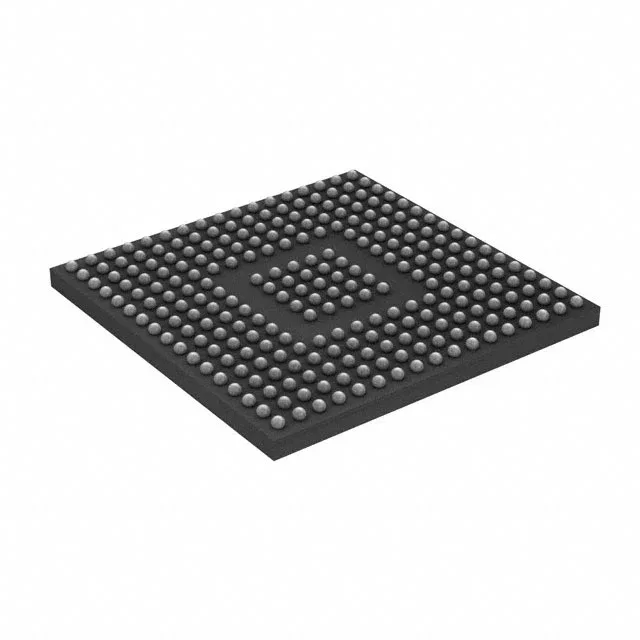
265-TFBGA — layout and assembly considerations
The package has no exposed thermal pad — heat dissipation relies on the BGA balls and the PCB copper planes.