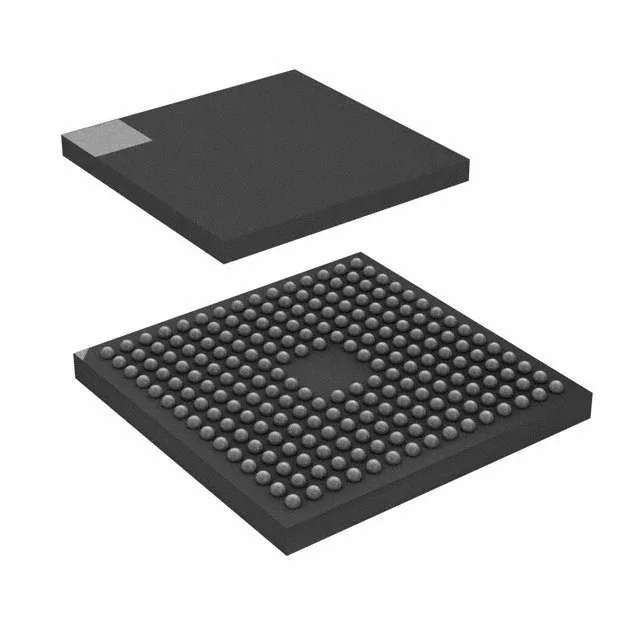
STMicroelectronics STM32F767NIH6 — Microcontrollers & Processors (MCU / MPU / DSP)

STM32F767NIH6 STM32F7 MCU, 216MHz, 2MB Flash, 216-TFBGA

MPNSTM32F767NIH6
Active

STMicroelectronics STM32F7 series, ARM Cortex-M7 MCU, 32-bit, 216MHz, 2MB Flash, 512K x 8 RAM, 168 I/O, 216-TFBGA, -40 to 85°C.

$21.6600Ref. price · indicative, final on quote
Packaging216-TFBGA
RoHSROHS3 Compliant
SeriesSTM32F7
Independent supplier — new & surplus stockAuthenticity-screened · ESD-safe packingListing updated Aug 2026

Specifications

STM32F767NIH6 specifications
ParameterValue
SeriesSTM32F7
MountingSurface Mount
Oscillator typeInternal
Program memory typeFLASH
Voltage - supply (Vcc (Vdd))1.7V ~ 3.6V
Operating temperature-40°C ~ 85°C (TA)
Speed216MHz
PackageTray
RAM size512K x 8
Core size32-Bit Single-Core
PeripheralsBrown-out Detect/Reset, DMA, I²S, LCD, POR, PWM, WDT
ConnectivityCANbus, EBI/EMI, Ethernet, I²C, IrDA, LINbus, MMC/SD/SDIO, QSPI, SAI, SPDIF, SPI, UART/USART, USB OTG
Number of i (O)168
Core processorARM® Cortex®-M7
Case216-TFBGA
Data convertersA/D 24x12b; D/A 2x12b
Program memory size2MB (2M x 8)

Product details

ARM Cortex-M7 at 216 MHz with 2 MB Flash

The STM32F767NIH6: ARM Cortex-M7 MCU at 216 MHz with 2 MB Flash and 512K x 8 RAM, 168 I/O, Ethernet, and dual CAN.

216 MHz clock — what it buys you

The 216 MHz core clock is the headline number for this part. The Cortex-M7's single-cycle multiply-accumulate and double-precision FPU deliver high throughput.

Ethernet and connectivity — what's on the bus

Yes, the STM32F767NIH6 includes a 10/100 Ethernet MAC with dedicated DMA and IEEE 1588 PTP hardware timestamping — confirmed in the connectivity list. Beyond Ethernet, the peripheral set covers dual CAN 2.0B, USB OTG HS/FS, multiple SAI for audio, SPDIF, and a flexible memory controller (FMC) for external SRAM, NOR/NAND Flash, or LCD displays. The 168 I/O are enough to drive a parallel RGB TFT panel and still leave pins for sensors and actuators.

Package and thermal — 216-ball TFBGA

The 216-TFBGA (13x13 mm) is a fine-pitch BGA — 0.5 mm ball pitch, so you'll need a 4-layer PCB with via-in-pad or microvias for routing. The thermal pad on the underside (if present on this variant) should be stitched to a ground plane with thermal vias for best dissipation — the Cortex-M7 at 216 MHz can draw a couple hundred mA under full load.

For a BOM line, this is a low-risk part to qualify into new designs — you are not chasing last-time-buy windows.

Frequently asked questions

Does STM32F767NIH6 have Ethernet connectivity?

Yes, the STM32F767NIH6 includes a 10/100 Ethernet MAC with DMA and IEEE 1588 PTP support, listed under its connectivity peripherals. An external PHY is required for the physical interface.