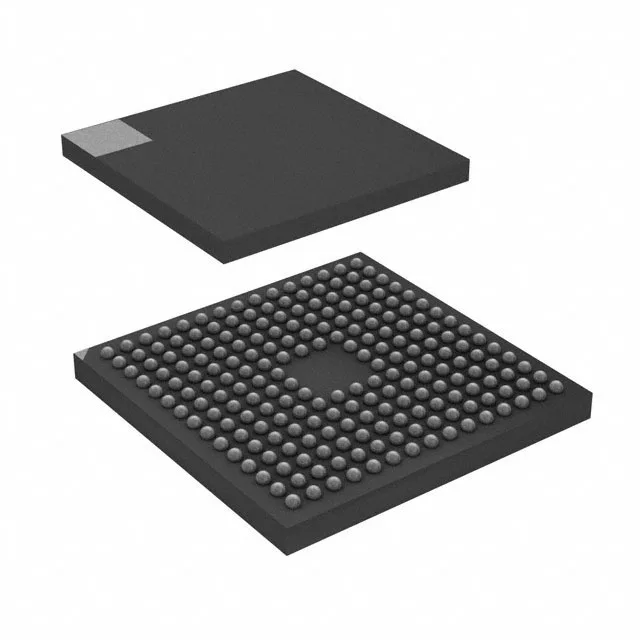
216 MHz Cortex-M7 with 1 MB Flash — what you get
The core's single-cycle multiply-accumulate and double-precision FPU handle DSP and control loops in one part, not two. Connectivity is the headline here: Ethernet MAC, CAN 2.0B, USB OTG HS/FS, plus multiple SPI, I²C, UART, and SAI audio interfaces. The 168 GPIOs and 24-channel 12-bit ADC give you headroom for sensor arrays or motor-phase feedback without a separate FPGA.
216-TFBGA — plan the rework before you need it
This comes in a 216-ball TFBGA package, 13x13 mm body. No lab, no bench — you need a hot-air station with a BGA nozzle and a stencil for the solder paste. If you are field-swapping, this is not a parking-lot job; socketed alternatives in the STM32F7 family use LQFP packages, but trade I/O count and peripheral mix.
No last-time-buy notice, no end-of-life window to track. For BOM continuity, this part is still in ST's current catalog, so you are not hunting surplus or broker stock for new builds.