72 MHz Cortex-M3 with 128 KB Flash — the BOM-fit tier
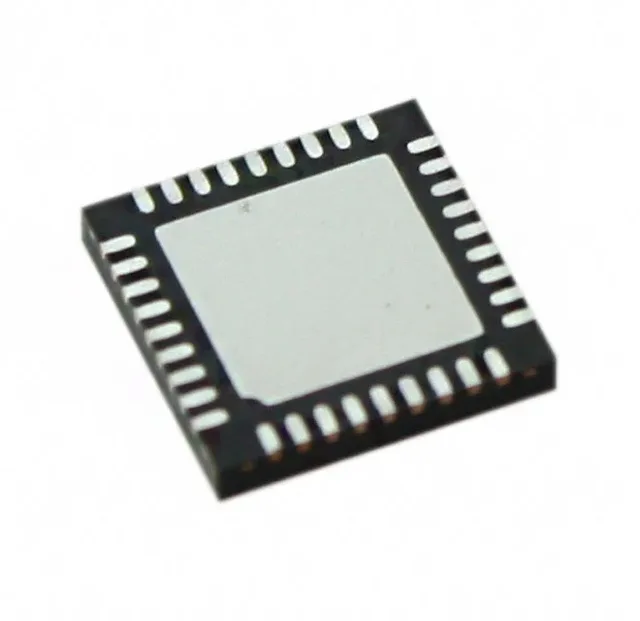
The STM32F103TBU6TR: It is the mid-density option in the value line, aimed at applications that need the Cortex-M3 pipeline and a full set of peripherals — CAN, USB, multiple UARTs, SPI, I²C — without the cost of the higher-density parts. The 36-VFQFPN package (6x6 mm) with exposed pad keeps the board area tight while the pad handles thermal dissipation at continuous loads.
At 72 MHz the Cortex-M3 executes most single-cycle instructions, so a tight motor-control PWM loop or a USB packet handler runs without stalling the core. The 128 KB Flash needs one wait state above 48 MHz — the hardware handles it transparently once the clock tree is configured. The 20 KB SRAM is enough for moderate buffering; if your application queues large CAN messages or USB bulk transfers, budget the RAM before committing.
Peripherals and connectivity — what is on the 26 I/O
The part includes DMA, a motor-control PWM timer, a temperature sensor, and a watchdog, plus CAN, USB, I²C, SPI, and up to three USARTs with IrDA and LIN support. The 10-channel 12-bit ADC covers analog inputs. With 26 I/O in a 36-pin package, most pins are shared — the peripheral multiplexer needs careful allocation during pinout planning.
Industrial temperature grade — where it runs
It is not qualified for automotive under-hood (no AEC-Q100 in the record), but the industrial range covers most panel-mount and enclosure-based equipment.