9 kHz GBW, 650 nA per channel — micropower signal chain
The OA2NP22Q is a dual CMOS operational amplifier from the OA2NP series, designed for ultra-low-power signal conditioning where every microamp counts. Its 9 kHz gain-bandwidth product and 0.003 V/µs slew rate limit it to sub-audio and DC-level applications — think battery-voltage monitoring, photodiode current sensing, or thermistor bridges in always-on IoT endpoints. Each of the two channels draws 650 nA supply current, so a coin cell can run the pair for years without a regulator. The rail-to-rail output swings within millivolts of each rail, preserving dynamic range at 1.5 V supply.
Supply range and temperature — where it fits the board
That wide window means the same BOM entry works across a product family with different power architectures.
Package and footprint — 2x2 DFN for tight layouts
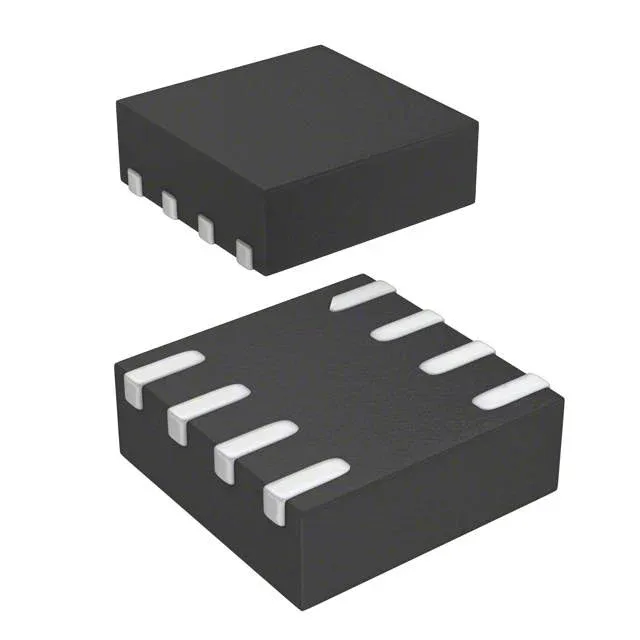
Housed in an 8-WFDFN (2x2 mm body, 0.5 mm pitch), the OA2NP22Q fits sensor modules, wearable PCBs, and multi-layer boards where real estate is the constraint. The supplier device package is 8-DFN (2x2). Surface-mount only — no through-hole option.
Output drive and rail headroom
The rail-to-rail output stage keeps the usable swing close to the supply rails, which matters at 1.5 V where every 100 mV of headroom is a significant fraction of the signal range. For heavier loads (relay coils, 50 mA+ outputs), add a transistor buffer.
ROHS3 compliant.