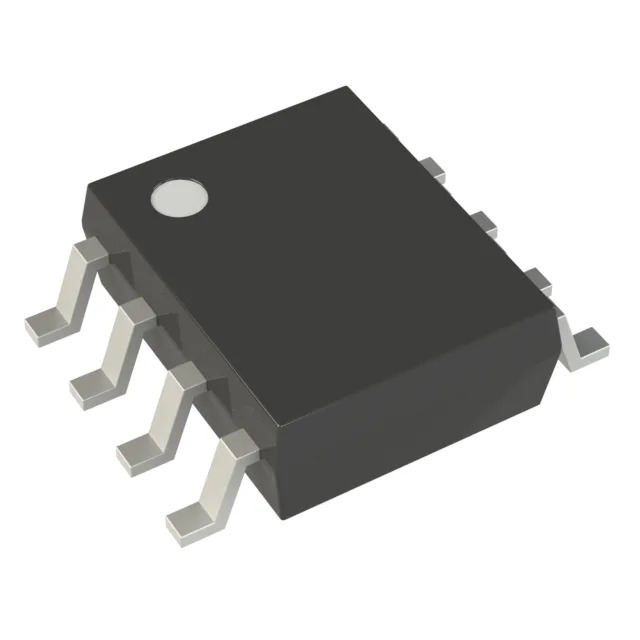
STMicroelectronics M24C16-MN6 — Memory (DRAM / SRAM / Flash / EEPROM)

STMicroelectronics M24C16-MN6 I²C EEPROM, 16Kbit, 8-SOIC, Obsolete

MPNM24C16-MN6
Obsolete

STMicroelectronics M24C16-MN6, 16Kbit I²C EEPROM, 2K×8 organization, 400 kHz clock, 4.5–5.5 V supply, -40°C to 85°C, 8-SOIC package, Bulk.

$0.5300Ref. price · indicative, final on quote
StockContact for availability
MOQ1 pcs
  • 100% new & originalTraceable channels only — no refurbs, no pulls, no remarked parts.
  • Date & lot codes on quoteStated per line before you commit; label photos on request.
  • MSL-compliant ESD packingMoisture-sealed bags with indicator cards; reels photo-verified.
  • PayPal buyer protectionPay by T/T, PayPal or Payoneer — card payments covered end to end.

Specifications

M24C16-MN6 Technical Specifications
ParameterValue
Memory typeNon-Volatile
Mounting typeSurface Mount
Voltage4.5V ~ 5.5V
Frequency400 kHz
Memory interfaceI²C
Operating temperature-40°C ~ 85°C (TA)
PackageBulk
TechnologyEEPROM
Access time900 ns
Memory size16Kbit
Memory formatEEPROM
Case8-SOIC (0.154\", 3.90mm Width)
Memory organization2K x 8
Write cycle time - word, page5ms

Frequently asked questions

What replaces the M24C16-MN6?

The official L* successor or approved second-source cross-reference must come from STMicroelectronics. No validated drop-in replacement is cited in the current ledger — an RFQ is required to confirm an approved alternate or successor order code.

What I²C clock speed does the M24C16-MN6 support, and will it work with a 400 kHz master?

The maximum clock frequency is 400 kHz, which matches the standard Fast Mode I²C ceiling. As long as the host controller targets 400 kHz or below, no clock-stretching logic is needed for compatibility — the part is fully compliant within that range.

Can the M24C16-MN6 run on a 5 V rail with ±10% tolerance?

The rated supply range is 4.5–5.5 V, so the low-end corner of a ±10% 5 V rail (4.5 V) is exactly at the minimum with zero margin. Transient dips below 4.5 V during write cycles can corrupt data — a 5 V rail with tighter tolerance or local decoupling is the safer choice for this part in an industrial panel.