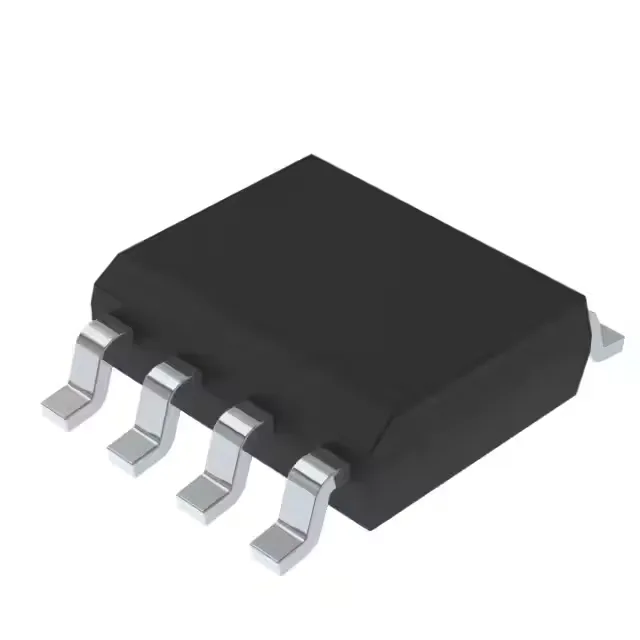
The Texas Instruments LM2931D is a positive adjustable low-dropout regulator delivering up to 100 mA.
80 dB PSRR — what it means for a noise-sensitive rail
The LM2931D's PSRR is specified at 80 dB at 120 Hz — this is the ripple-rejection figure that matters when the regulator is feeding an analog front-end or a precision reference from a rectified line-voltage supply. 80 dB at 120 Hz means the 100/120 Hz ripple from a full-wave rectifier is attenuated by a factor of 10,000, keeping the output clean enough for a 12-bit ADC or an op-amp chain without a post-filter stage.
Dropout voltage and quiescent current — sizing the headroom
Maximum dropout is 0.6 V at the full 100 mA load. That sets the minimum input-to-output differential: if you need a regulated 5 V rail, the input must stay above 5.6 V worst-case. Quiescent current is 1 mA typical, rising to 30 mA max under heavy load — the Iq is low enough for always-on rails in battery-backed equipment but not ultra-low-power territory.
The LM2931D is listed as obsolete. For a BOM line that still calls out this exact number, the supply path runs through independent distribution — last-time-buy inventory and surplus stock.