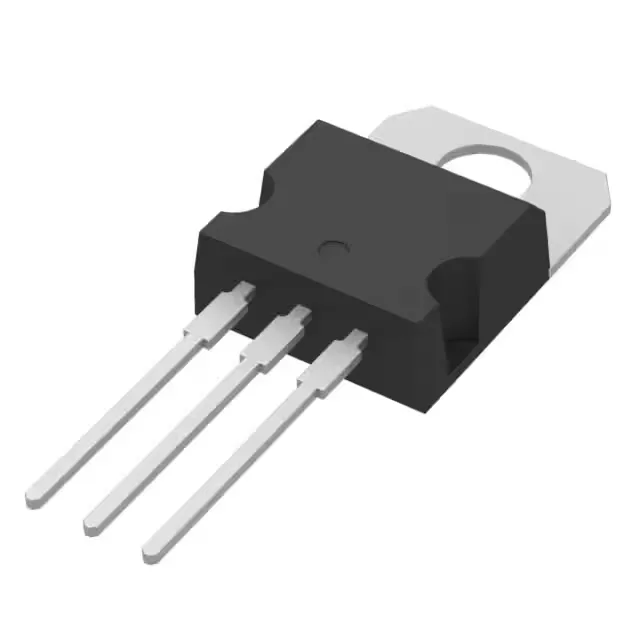
STMicroelectronics FERD20H100STS

ST FERD20H100STS FERD Diode, 100V 20A TO-220, Active

MPNFERD20H100STS
End of Life

ST FERD20H100STS, FERD (Field Effect Rectifier Diode), 100 V, 20 A, Fast Recovery ≤ 500 ns, 705 mV forward drop, TO-220-3 through-hole, 175°C junction, Active.

$1.11Ref. price · indicative, final on quote
PackagingTO-220-3
RoHSROHS3 Compliant
Independent supplier — new & surplus stockAuthenticity-screened · ESD-safe packingListing updated Jul 2026

Specifications

FERD20H100STS specifications
ParameterValue
MountingThrough Hole
Voltage - DC reverse (Vr)100 V
Voltage - forward (Vf) (Max) @ if705 mV @ 20 A
Current - reverse leakage @ vr140 µA @ 100 V
Current - average rectified20A
Operating temperature - junction175°C (Max)
SpeedFast Recovery =< 500ns, > 200mA (Io)
PackageTube
TechnologyFERD (Field Effect Rectifier Diode)
CaseTO-220-3

Product details

The ST FERD20H100STS is a 100 V, 20 A Field Effect Rectifier Diode in a TO-220 through-hole package. It uses FERD technology, which combines a low forward voltage drop — 705 mV at the full 20 A rated current — with reverse leakage that stays tighter than a conventional Schottky at elevated junction temperatures.

At 20 A the forward voltage sits at 705 mV. The fast recovery classification (≤ 500 ns, > 200 mA) covers line-frequency rectification and moderate-speed switching.

Package and mounting — TO-220 fit

Through-hole TO-220-3. The tab is the cathode. Heatsink clip or screw mount — standard TO-220 hole pattern.

ROHS3 compliant. No NRND or EOL notice. The part ships in tube. For BOM planning: this is a current ST part, not a phase-out.

Frequently asked questions

Is FERD20H100STS RoHS compliant?

Yes, it is ROHS3 compliant. No exemption-dated substances above the threshold.

What is the difference between FERD and Schottky?

FERD (Field Effect Rectifier Diode) uses a MOS-controlled channel to achieve a forward drop similar to a Schottky but with lower reverse leakage at high temperature and softer recovery. The trade-off is slightly higher turn-off charge than a Schottky, which matters above 100 kHz.