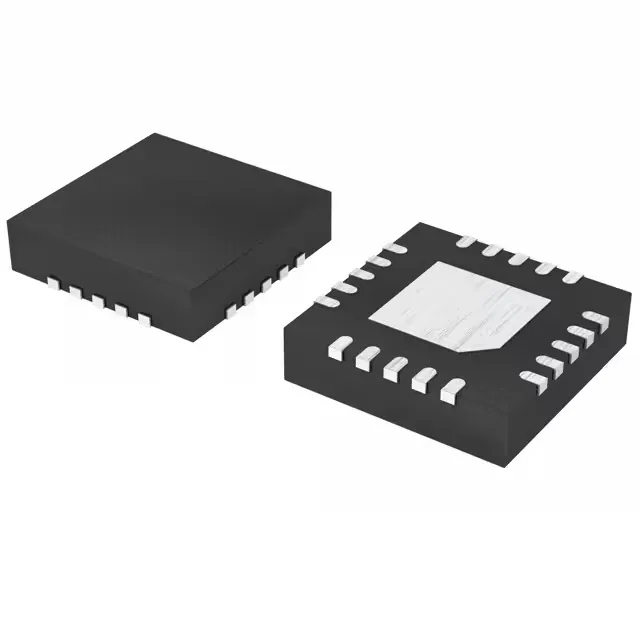
The BD99950MUV-E2: ROHS3 compliant — the part meets the latest EU restriction-of-hazardous-substances directive without exemption, so it passes straight into a RoHS BOM without a waiver.
Package and board-fit for rework
The exposed paddle underneath is the main thermal path; the pad on the PCB needs a thermal via array under it to pull heat from the die during charging. Will it survive the hot air? Yes — VFQFN with a centre pad reworks cleanly if the board has a soldermask-defined pad and the via tenting is on the back side. Pre-heat the board to 120 °C before lifting the part, and the paddle wets back without voiding.
Charging architecture and bus interface
Multi-chemistry charger handling 2 to 3 series cells — Li-ion, Li-Po, or LiFePO4 are all in scope. The SMBus interface lets the system host set charge voltage, current, and termination thresholds programmatically rather than with fixed resistor dividers. 18 V max supply input means it runs from a standard 5 V USB-C PD source or a 12 V rail without an external pre-regulator — the internal FETs and control loop handle the step-down conversion. Operating temperature range -10 °C to 85 °C — this is the commercial/industrial band. It covers most portable equipment and embedded systems but not automotive cabin or under-hood duty.