Renesas Electronics 9DBL411BKILF — DC-DC Power Modules

9DBL411BKILF PCIe/QPI Fanout Buffer, 150 MHz, LP-HCSL

MPN9DBL411BKILF
End of Life

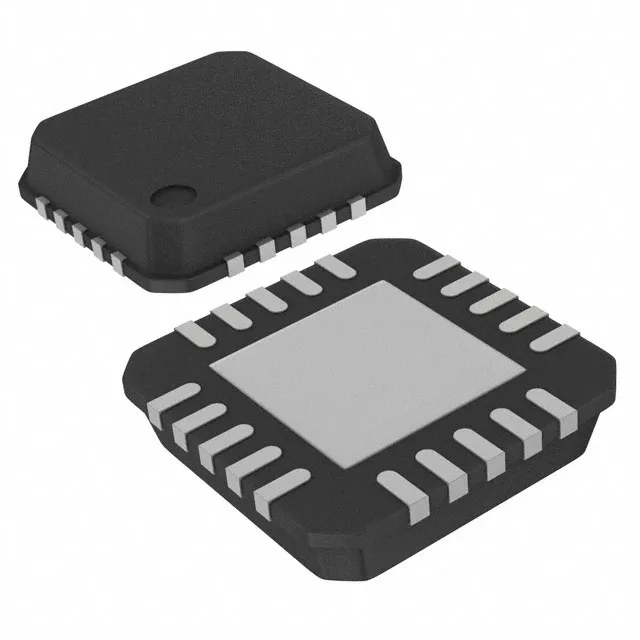
Renesas 9DBL411BKILF, PCIe/QPI fanout buffer, 1:4 LP-HCSL, 150 MHz max, 3V–3.6V supply, -40°C to 85°C, 20-VFQFPN (4x4 mm), no PLL.

$3.91Ref. price · indicative, final on quote
Packaging20-VFQFN Exposed Pad
StockContact for availability
MOQ1 pcs
  • 100% new & originalTraceable channels only — no refurbs, no pulls, no remarked parts.
  • Date & lot codes on quoteStated per line before you commit; label photos on request.
  • MSL-compliant ESD packingMoisture-sealed bags with indicator cards; reels photo-verified.
  • PayPal buyer protectionPay by T/T, PayPal or Payoneer — card payments covered end to end.

Specifications

9DBL411BKILF Technical Specifications
ParameterValue
Mounting typeSurface Mount
Voltage3V ~ 3.6V
Frequency150MHz
Operating temperature-40°C ~ 85°C
PLLNo
InputHCSL
OutputLP-HCSL
PackageTube
Main purposeIntel QPI, PCI Express (PCIe)
Case20-VFQFN Exposed Pad
Number of circuits1
Ratio - Input:Output1:4
Differential - Input:OutputYes/Yes

Product details

PCIe and QPI clock distribution without PLL phase noise

The Renesas 9DBL411BKILF is a 1:4 differential fanout buffer designed for Intel QPI and PCI Express (PCIe) reference clock trees. It accepts an HCSL input and delivers four LP-HCSL outputs with a 1:4 fanout ratio, all without an internal PLL — meaning the output phase noise is set entirely by the source oscillator, with no PLL loop-bandwidth peaking or jitter accumulation from the buffer itself. Maximum frequency is 150 MHz. Differential input and output paths are fully differential (Yes/Yes). Supply range is 3V to 3.6V, and the operating temperature spans -40°C to 85°C, making it suitable for industrial and telecom environments where ambient temperature swings are a given.

Lifecycle and sourcing

The 9DBL411BKILF carries an Active product status and is ROHS3 compliant. For new designs or BOM maintenance, the part is available through independent distribution and can be quoted to order — no lead-time surprises from a phase-out.

Why no PLL matters for your clock tree

A PLL-based clock buffer introduces its own jitter from the VCO and loop filter. The 9DBL411BKILF has no PLL, so the output jitter is simply the input jitter plus the buffer's additive phase noise — typically well under 1 ps RMS for a clean HCSL source. If your ADC or SerDes is sensitive to deterministic jitter from PLL spurs, this buffer keeps the clock clean.

Frequently asked questions

What is the maximum frequency of 9DBL411BKILF?

The maximum frequency is 150 MHz, which covers PCIe Gen1/2/3 reference clock rates and Intel QPI base frequencies. The buffer is not rated for 400 MHz PCIe Gen4/5 reference clocks.

Is 9DBL411BKILF a PLL or fanout buffer?

It is a fanout buffer with no internal PLL. The PLL field is explicitly 'No', meaning the device is a zero-delay buffer that reproduces the input clock without frequency synthesis or loop-bandwidth filtering.

What is the closest functional equivalent to 9DBL411BKILF?

The 9DBL411BGLFT is the same 1:4 LP-HCSL fanout buffer but rated for commercial temperature (0°C to 70°C) instead of the industrial -40°C to 85°C range. If your application stays above 0°C, the BGLFT is a drop-in alternate. For a PLL-based PCIe clock generator, the 9DB803DFLFT or 9ZXL0851EKKLF are different device classes — not direct replacements.