Renesas Electronics 8533AG-01LFT — Clock & Timing ICs

8533AG-01LFT Clock Buffer, 2:4 Fanout, 650 MHz, 20-TSSOP

MPN8533AG-01LFT
End of Life

Renesas 8533AG-01LFT, Fanout Buffer (Distribution), Multiplexer, 2:4, 650 MHz, LVPECL output, 3.135V~3.465V supply, 20-TSSOP, 0°C~70°C.

$12.45Ref. price · indicative, final on quote
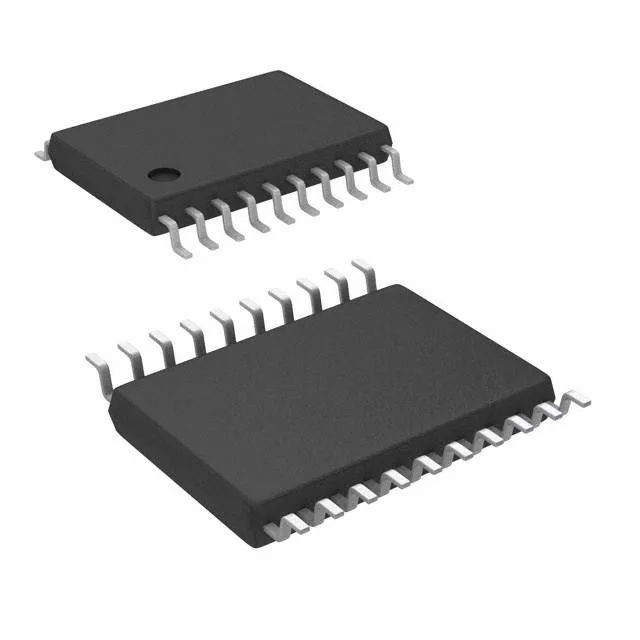
Packaging20-TSSOP (0.173", 4.40mm Width)
RoHSROHS3 Compliant
Independent supplier — new & surplus stockAuthenticity-screened · ESD-safe packingListing updated Aug 2026

Specifications

8533AG-01LFT specifications
ParameterValue
TypeFanout Buffer (Distribution), Multiplexer
MountingSurface Mount
Supply voltage3.135V ~ 3.465V
Frequency - max650 MHz
Operating temperature0°C ~ 70°C
InputCML, HCSL, LVDS, LVHSTL, LVPECL, SSTL
OutputLVPECL
PackageTape & Reel (TR); Cut Tape (CT)
Case20-TSSOP (0.173\", 4.40mm Width)
Number of circuits1
Ratio - Input:Output2:4
Differential - Input:OutputYes/Yes

Product details

What the 650 MHz and 2:4 ratio mean for the board

The 650 MHz maximum frequency covers common telecom and networking clock rates. The 2:4 input-to-output ratio lets you select between two independent clock sources and fan out to four loads. Both input and output paths are fully differential.

The ROHS3 status covers the full substance restriction list, including the four phthalates, which simplifies compliance paperwork for EU and global shipments.

Frequently asked questions

What are the alternatives to 8533AG-01LFT?

A functional peer is the 8SLVP1204ANLGI8, also a 2:4 LVPECL fanout buffer with a wider industrial temperature range (-40°C to 85°C) and a higher 2 GHz maximum frequency. The 8SLVP1204ANLGI8 runs on a lower 2.375V supply, so the 3.3V rail on the existing board would need a regulator change. The 8533AG-01LFT stays on 3.3V and covers the commercial temperature band.

Is 8533AG-01LFT RoHS compliant?

Yes, the 8533AG-01LFT is ROHS3 compliant, covering all six original ROHS substances plus the four phthalates (DEHP, BBP, DBP, DIBP).

Is 8533AG-01LFT differential in and out?

Yes, both the input and output paths are fully differential (Yes/Yes), which means the part preserves common-mode noise rejection and supports high-speed clock distribution with low jitter.