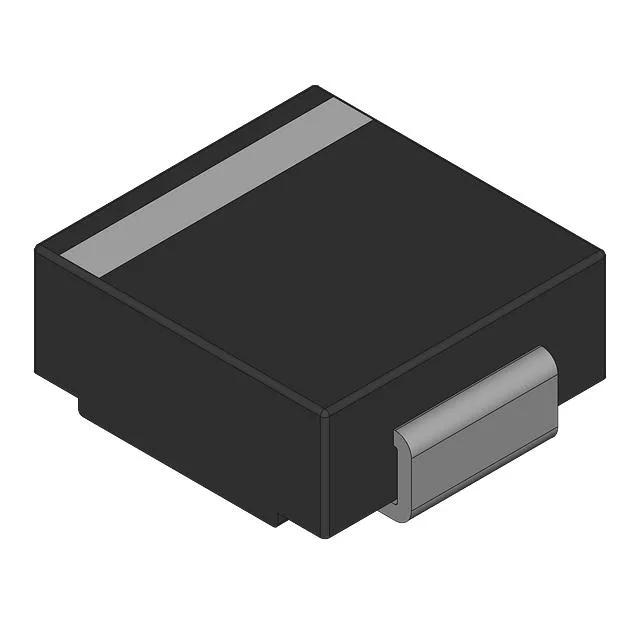
What the clamping voltage means for your protected node
The 1.5SMCJ6.5A_R1_00001: The reverse standoff voltage of 6.5 V sets the working voltage the protected node sits at normally. During a transient event, the clamping voltage reaches 11.2 V maximum at a peak pulse current of 133.9 A — that is the let-through voltage the downstream circuit actually sees. Selecting downstream components with a working voltage rating comfortably above 11.2 V is the sizing decision this part drives.
Peak pulse power and surge survivability
That waveform choice matters: a 10/1000 µs event carries significantly more energy than an 8/20 µs surge of the same peak current, so the 1500 W figure is a real energy-handling ceiling, not a marketing number.
Thermal headroom for demanding environments
The SMC (DO-214AB) package dissipates heat through the copper pad beneath the terminations, so the footprint solder joint quality directly affects thermal performance under repeated transients.