What the clamping ratings mean for 12V automotive rails
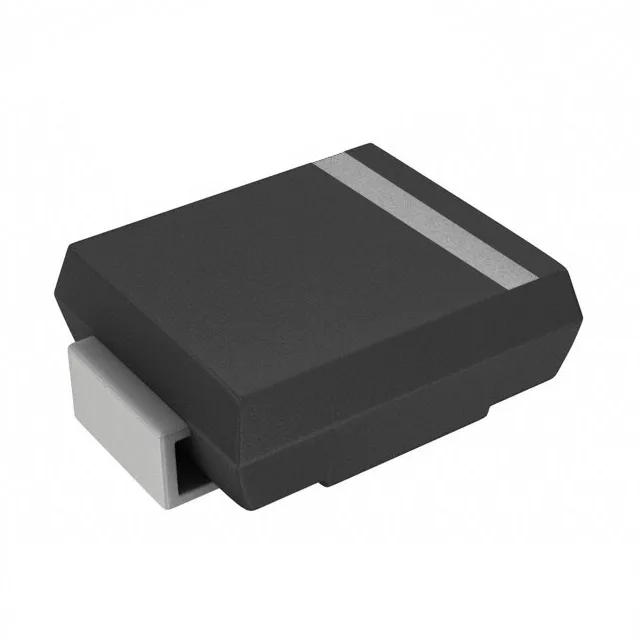
The 1.5SMCJ58A-AU_R1_000A1: The 58 V reverse standoff is the working voltage the line sits at in normal operation, while 64.4 V is the breakdown threshold at which the device begins conducting. The 1.5 kW peak pulse rating is referenced to a 10/1000 µs surge shape — the standard automotive ISO 7637 impulse. For shorter, higher-rate transients (1/20 µs or ESD), the effective let-through is lower because the diode's dynamic resistance is smaller at faster rise times; for slower, higher-energy surges the same 1.5 kW rating derates against the longer pulse width. Budget the clamping voltage into your downstream IC's absolute-maximum input rating — 93.6 V should sit cleanly below whatever the protected bus expects.
AEC-Q101 qualification and automotive temperature margin
AEC-Q101 is the discrete semiconductor qualification standard for automotive environments — it covers temperature cycling, humidity bias, UHAST, and surge stress testing. The device is listed as not rated for power-line protection — this is a signal-line or local bus clamp, not a 120/240V mains protector. Use a dedicated mains TVS or MOV for AC-line front-end protection; the 1.5SMCJ58A suits the 12V or 24V supply rail feeding a protected node, sitting close to the connector on the board.