What the voltage ratings mean for protection design
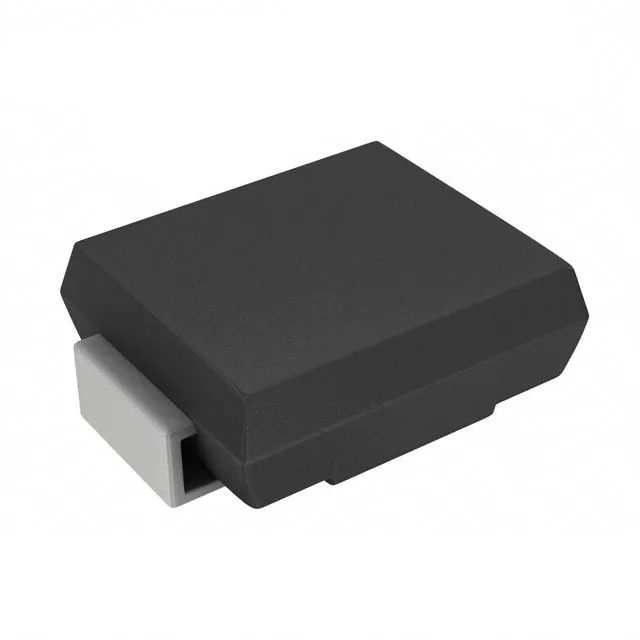
The 1.5SMCJ26CA-AU_R1_000A1: The reverse standoff of 26 V defines the maximum working voltage the TVS sees in normal operation — a 24 V rail with reasonable transients sits comfortably below this. That 42.1 V clamping ceiling is what the downstream circuit must survive — it is the let-through voltage the downstream IC or MOSFET gate oxide sees during the event.
Peak pulse power and automotive qualification
The 1.5 kW peak pulse rating (10/1000 µs waveform) is the energy the diode absorbs and dissipates as heat during a single transient event without failing — longer-duration transients (the 1000 µs half-width) distribute that energy over more time than a 8/20 µs surge curve, so the same part would rate lower in IEC 61000-4-5 surge testing. The bidirectional configuration means one polarity clamps positive transients and the other handles negative ones — making it suitable for protecting AC signal lines or reversible DC rails without needing two unidirectional devices stacked back-to-back.