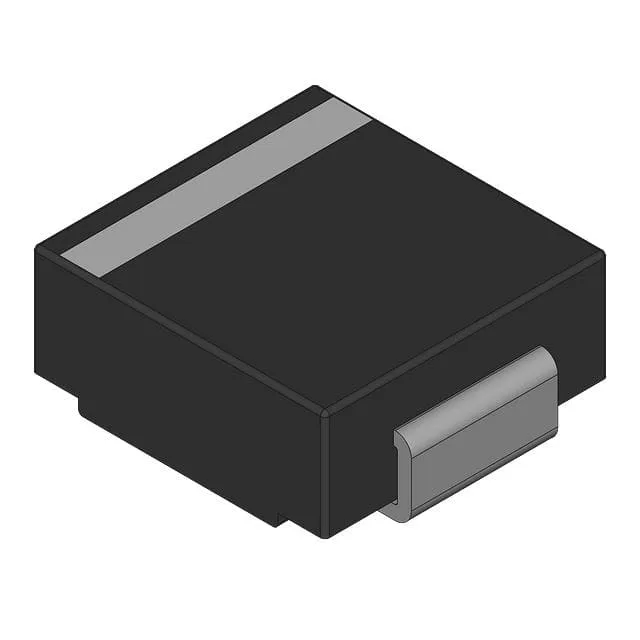
Panjit International Inc. 1.5SMCJ220CA_R1_00001 — Circuit Protection

1.5SMCJ220CA_R1_00001 TVS Diode, 220V Standoff, SMC

MPN1.5SMCJ220CA_R1_00001
Active

Panjit International Inc. 1.5SMCJ220CA_R1_00001 bidirectional Zener TVS diode, 220V reverse standoff, 242V minimum breakdown, 356V clamping at 4.2A peak pulse, 1.5kW peak pulse power, DO-214AB SMC surface mount.

$0.6500Ref. price · indicative, final on quote
Independent supplier — new & surplus stockAuthenticity-screened · ESD-safe packingListing updated Aug 2026

Specifications

1.5SMCJ220CA_R1_00001 specifications
ParameterValue
TypeZener
Series1.5SMCJ
MountingSurface Mount
Voltage - breakdown242V
Voltage - clamping (Max) @ ipp356V
Voltage - reverse standoff220V
Current - peak pulse (10/1000μs)4.2A
Power - peak pulse1500W (1.5kW)
Power line protectionNo
Operating temperature-55°C~150°C(TJ)
PackageTape & Reel (TR); Cut Tape (CT)
ApplicationsGeneral Purpose
CaseDO-214AB, SMC
Bidirectional channels1

Product details

Standoff voltage — what 220V means for rail protection

The 1.5SMCJ220CA_R1_00001: The 220V reverse standoff typ is the selection anchor — this TVS sits on rails that must not clamp during normal operation but must snap into conduction above that threshold. The 242V minimum breakdown confirms the device stays off at 220V with margin, while the 356V maximum clamping at 4.2A peak pulse sets the max let-through voltage the protected load sees during a transient event.

The 4.2A peak pulse current at that wave shape is the usable headroom — if the fault current exceeds 4.2A at 356V clamping, the device thermally limits rather than clamps harder.

Lifecyclestatus is Active — quoted to order through independent distribution.

Frequently asked questions

What series does 1.5SMCJ220CA_R1_00001 belong to, and what does that mean?

The 1.5SMCJ series is a 1500W bidirectional TVS family typically used in telecom, industrial control, and power supply input protection. The CA suffix indicates bidirectional polarity — a single device handles both polarities of the transient without a separate steering diode.